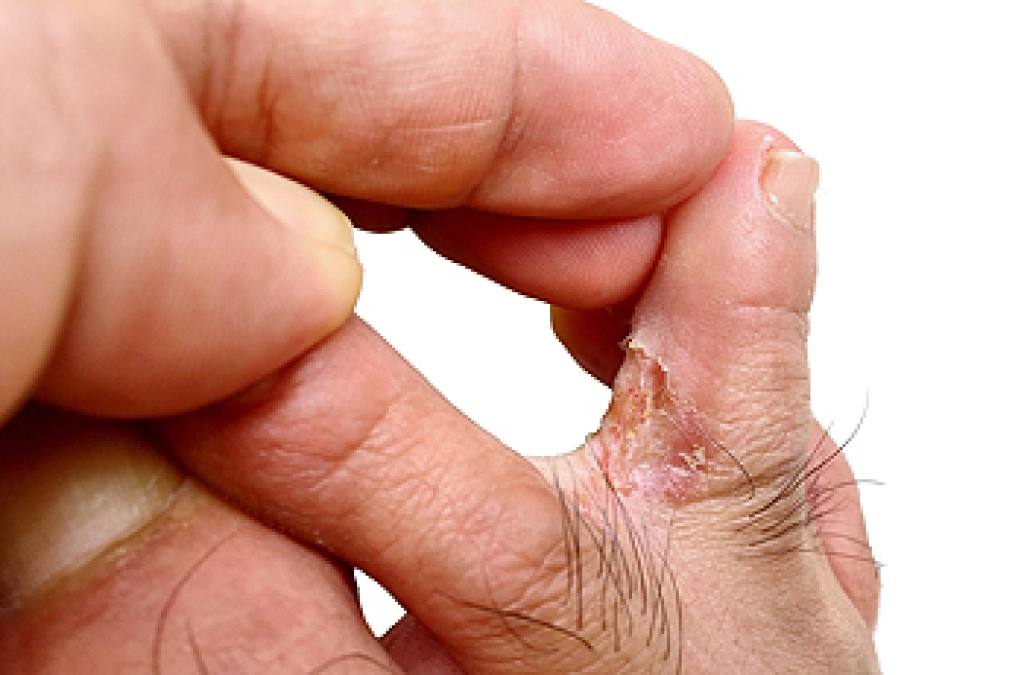
Why Professional Foot Wound Care Matters

Foot wounds can develop from cuts, pressure, burns, or injuries that damage the skin and underlying tissue. Although some wounds appear minor at first, they may become more serious if they do not heal properly. People with diabetes, poor circulation, or reduced feeling in their feet have a greater risk of developing complications, because wounds may heal more slowly. Common signs of a foot wound include pain, swelling, and drainage. Some wounds may also develop redness or an unpleasant odor if an infection is present. Because untreated foot wounds can worsen over time, a professional evaluation is important to determine the cause and recommend the most appropriate treatment.


The healing process depends on healthy blood flow, proper pressure distribution, and the condition of the surrounding tissue. If a wound remains open for an extended period, it may become deeper and increase the risk of infection. Ongoing pressure on the affected area can also delay healing and make walking more difficult. A thorough podiatry evaluation helps determine the size, depth, and severity of the wound. Additional testing may be recommended if there are concerns about circulation or infection. Early diagnosis allows treatment to begin promptly and helps reduce the risk of long-term complications that could affect foot health and mobility.


A podiatrist plays an important role in evaluating and treating foot wounds while monitoring the healing process. Professional care focuses on protecting healthy tissue, encouraging wound healing, and reducing the risk of infection. Treatment is tailored to each patient's condition and may be adjusted as the wound improves. Regular follow-up visits allow the podiatrist to monitor healing and identify any changes that require additional care. If you have a foot wound that is painful, slow to heal, or showing signs of infection, it is suggested that you consult a podiatrist for an evaluation and appropriate treatment options.

Wound care is an important part in dealing with diabetes. If you have diabetes and a foot wound or would like more information about wound care for diabetics, consult with Mindy J. Trotter, DPM, CWSP from Georgia. Our doctor will assess your condition and provide you with quality foot and ankle treatment.

What Is Wound Care?

Wound care is the practice of taking proper care of a wound. This can range from the smallest to the largest of wounds. While everyone can benefit from proper wound care, it is much more important for diabetics. Diabetics often suffer from poor blood circulation which causes wounds to heal much slower than they would in a non-diabetic. 

What Is the Importance of Wound Care?

While it may not seem apparent with small ulcers on the foot, for diabetics, any size ulcer can become infected. Diabetics often also suffer from neuropathy, or nerve loss. This means they might not even feel when they have an ulcer on their foot. If the wound becomes severely infected, amputation may be necessary. Therefore, it is of the upmost importance to properly care for any and all foot wounds.

How to Care for Wounds

The best way to care for foot wounds is to prevent them. For diabetics, this means daily inspections of the feet for any signs of abnormalities or ulcers. It is also recommended to see a podiatrist several times a year for a foot inspection. If you do have an ulcer, run the wound under water to clear dirt from the wound; then apply antibiotic ointment to the wound and cover with a bandage. Bandages should be changed daily and keeping pressure off the wound is smart. It is advised to see a podiatrist, who can keep an eye on it.

If you have any questions please contact our office located in Peachtree City, GA . We offer the newest diagnostic and treatment technologies for all your foot and ankle needs.

Read more about Wound Care

Inspect Your Feet Regularly for Abnormalities if You're Diabetic

Diabetic patients often have decreased sensitivity in their feet, which makes a visual inspection of the feet even more important. If you're diabetic, having periodic screenings is extremely important for maintaining the overall health of your feet. 

Tarsal Tunnel Syndrome and Nerve-Related Foot Pain

Tarsal tunnel syndrome is a condition that results from compression of the tibial nerve as it passes through the inner ankle. This area, known as the tarsal tunnel, is a tight space that can become inflamed or restricted. The condition is classified as an entrapment neuropathy, because the nerve becomes trapped and irritated. This leads to abnormal nerve signals that cause pain and sensory changes in the foot. Knowing the definition and causes of this condition can help individuals recognize symptoms early.

Symptoms often include a burning tingling sensation along the inner ankle and into the sole of the foot. Some individuals may feel numbness, weakness, or shooting pain that worsens with movement. The discomfort may come and go, or become more constant over time. Activities that involve prolonged standing or walking can increase symptoms. These sensations can affect balance and make everyday tasks more difficult.


Risk factors for tarsal tunnel syndrome include structural foot issues such as flat feet, which place added stress on the nerve. Ankle injuries can lead to swelling that compresses the nerve within the tunnel. Other contributing causes include growths such as cysts or inflammation from overuse. Wearing improper footwear that lacks support may also increase pressure on the inner ankle. These factors can combine to create an environment where nerve irritation develops.


Treatment focuses on relieving pressure and improving foot support. Rest, wearing proper footwear, and orthotics can help reduce strain on the affected area. Early care can prevent worsening symptoms and improve mobility. Seeking a podiatric evaluation ensures a targeted treatment plan that addresses the underlying cause. If you have signs of tarsal tunnel syndrome, it is suggested that you consult a podiatrist who can accurately diagnose and treat tarsal tunnel syndrome.

Tarsal tunnel syndrome can be very uncomfortable to live with. If you are experiencing tarsal tunnel syndrome, contact Mindy J. Trotter, DPM, CWSP of Georgia. Our doctor can provide the care you need to keep you pain-free and on your feet.

Tarsal Tunnel Syndrome

Tarsal tunnel syndrome, which can also be called tibial nerve dysfunction, is an uncommon condition of misfiring peripheral nerves in the foot. The tibial nerve is the peripheral nerve in the leg responsible for sensation and movement of the foot and calf muscles. In tarsal tunnel syndrome, the tibial nerve is damaged, causing problems with movement and feeling in the foot of the affected leg.

Common Cause of Tarsal Tunnel Syndrome

  • Involves pressure or an injury, direct pressure on the tibial nerve for an extended period of time, sometimes caused by other body structures close by or near the knee.
  • Diseases that damage nerves, including diabetes, may cause tarsal tunnel syndrome.
  • At times, tarsal tunnel syndrome can appear without an obvious cause in some cases.

The Effects of Tarsal Tunnel Syndrome

  • Different sensations, an afflicted person may experience pain, tingling, burning or other unusual sensations in the foot of the affected leg.
  • The foot muscles, toes and ankle become weaker, and curling your toes or flexing your foot can become difficult.
  • If condition worsens, infections and ulcers may develop on the foot that is experiencing the syndrome.

A physical exam of the leg can help identify the presence of tarsal tunnel syndrome. Medical tests, such as a nerve biopsy, are also used to diagnose the condition. Patients may receive physical therapy and prescriptive medication. In extreme cases, some may require surgery.

If you have any questions please contact our office located in Peachtree City, GA . We offer the newest diagnostic and treatment technologies for all your foot and ankle needs.

Read more about Tarsal Tunnel Syndrome
scroll to top