
Causes of Swollen Ankles

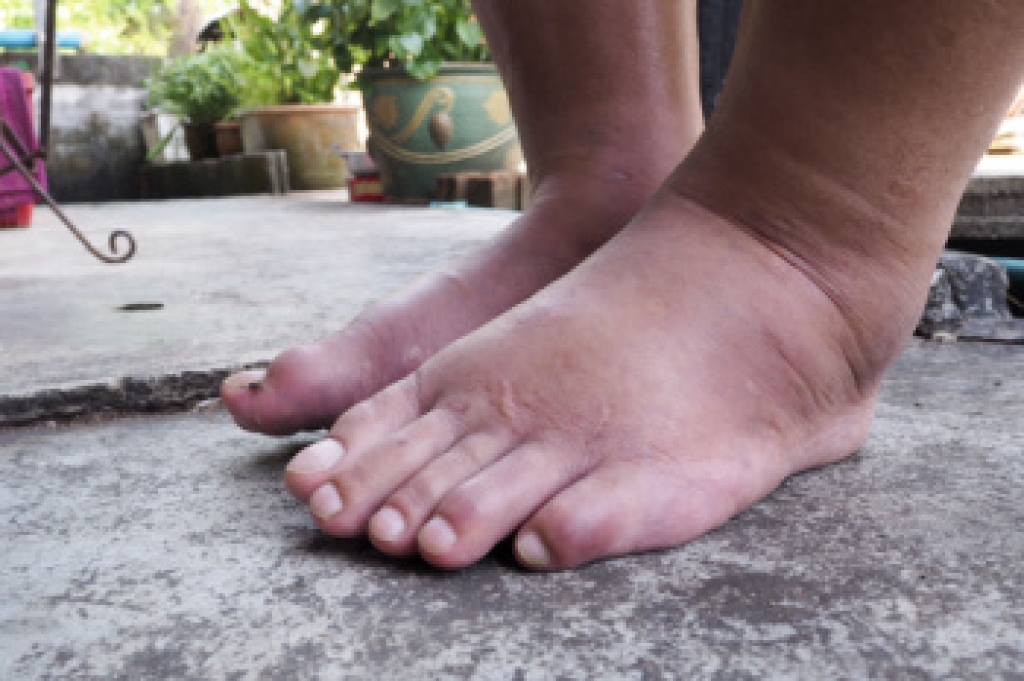
Swollen ankles, also known as edema, occur when excess fluid builds up in the tissues of the lower legs and feet. This condition can develop gradually or suddenly and may affect one or both ankles. While mild swelling can result from long periods of standing or sitting, persistent or severe swelling may indicate an underlying health concern. Understanding the causes and symptoms is important for identifying when medical attention is needed.

Common symptoms of swollen ankles include visible puffiness, tight or stretched skin, and discomfort when walking or standing. In some cases, the skin may appear shiny or leave an indentation when pressed. Swelling may also be accompanied by warmth, redness, or pain, especially if infection is present. Because swelling can affect mobility and balance, it is important to monitor changes and seek evaluation if symptoms worsen or do not improve.


Several conditions can contribute to swollen ankles. Kidney problems can lead to fluid retention because the body is unable to properly regulate fluid balance. Infections may cause localized swelling due to inflammation and increased blood flow to the affected area. Pregnancy is another common cause, as increased fluid volume and pressure from the growing uterus can affect circulation in the lower extremities. Risk factors include prolonged standing, obesity, and certain chronic medical conditions. Poor circulation and some medications may also increase the risk.


Recognizing the underlying cause of ankle swelling is essential for effective treatment and prevention. Early evaluation by a podiatrist can help identify whether the swelling is related to lifestyle factors or a more serious medical issue. Addressing symptoms promptly can improve comfort and reduce complications. If you have swollen feet or ankles, it is suggested that you consult a podiatrist who can determine what the cause is and offer effective relief and management solutions.

Swollen feet can be a sign of an underlying condition. If you have any concerns, contact Mindy J. Trotter, DPM, CWSP of Georgia. Our doctor can provide the care you need to keep you pain-free and on your feet.

Swollen feet are a common ailment among pregnant women and people who stand or sit for extended periods. Aging may increase the possibility of swollen feet and patients who are obese often notice when their feet are swelling too. There may be medical reasons why swollen feet occur:

  • Phlebitis - A condition that causes the veins to become inflamed and can also cause leg pain.
  • Liver disease - This may lead to low blood levels of albumin which is a protein. This can cause fluid in the blood to pass into the tissues and several areas of the body can become swollen.
  • Heart failure - When the heart doesn’t pump properly the blood that is normally pumped back to the heart can pool in the veins of the legs causing swollen feet.
  • Kidney disease - One of the main functions of the kidneys is releasing excess fluid in the body. This type of condition can make it difficult for the kidneys to function properly, and as a result the feet may become swollen.
  • Deep-vein thrombosis (DVT)- This is a serious condition where blood clots form in the veins of the legs. They can block the return of blood from the legs to the heart which may cause the feet to swell. It is important to be treated by a podiatrist if this condition is present.

Swollen feet can also be caused by bone and tendon conditions, including fractures, arthritis, and tendinitis. Additionally, there may be skin and toenail conditions and an infection may cause the feet to swell. Patients who take medicine to treat high blood pressure may be prone to getting swollen feet. 

Many patients elevate their feet to help relieve the swelling and this is generally a temporary remedy. When a podiatrist is consulted the reason behind the swelling can be uncovered and subsequently treated.

If you have any questions please contact our office located in Peachtree City, GA . We offer the newest diagnostic and treatment technologies for all your foot and ankle needs.

Read more about Swelling of the Feet

How Gout Affects the Feet and Ankles

Gout is a painful form of arthritis that develops when too much uric acid builds up in the body. Uric acid is a natural waste product that usually leaves the body through the kidneys. When levels become too high, tiny crystals can collect inside a joint and trigger sudden pain, swelling, and redness. The joint at the base of the big toe is affected most often, although gout can also involve the ankle. A flare-up can begin without warning and cause pain that disturbs sleep or limits normal daily activities. Without proper treatment, repeated attacks can damage the affected joint and reduce comfort while walking.

Several factors increase the risk of gout. These include a family history of the condition, excess body weight, and certain medical conditions. A diet that is high in purines also raises uric acid levels. Purines are natural substances found in foods like anchovies, bacon, and sardines. Beer and other alcoholic drinks can also increase the chance of painful gout flares. A podiatrist can examine the affected foot, review your medical history, and order imaging or laboratory testing when appropriate. Gout symptoms can resemble those of an infection or another type of arthritis. For that reason, identifying the true cause allows treatment to begin promptly.

Treatment focuses on reducing inflammation, protecting the affected joint, and lowering the chance of future attacks. A podiatrist can recommend a treatment plan and work with other healthcare providers when additional medical management is needed. Regular follow-up visits help monitor joint health and evaluate your progress. Patients also benefit from guidance about healthy eating patterns, weight management, and limiting foods and drinks that increase uric acid levels. These steps can reduce the frequency of gout attacks and help protect the joints from lasting damage. If you have symptoms of gout, it is suggested that you schedule an appointment with a podiatrist for effective relief tips and help in managing this chronic condition.

Gout is a foot condition that requires certain treatment and care. If you are seeking treatment, contact Mindy J. Trotter, DPM, CWSP from Georgia. Our doctor will treat your foot and ankle needs.

What Is Gout?

Gout is a type of arthritis caused by a buildup of uric acid in the bloodstream. It often develops in the foot, especially the big toe area, although it can manifest in other parts of the body as well. Gout can make walking and standing very painful and is especially common in diabetics and the obese.

People typically get gout because of a poor diet. Genetic predisposition is also a factor. The children of parents who have had gout frequently have a chance of developing it themselves.

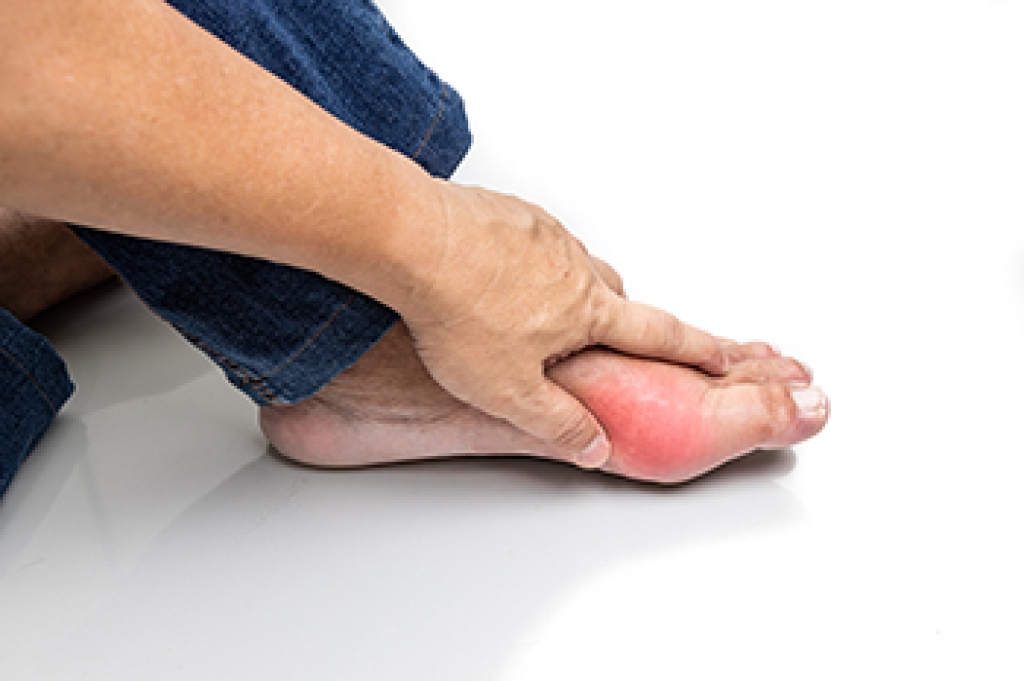
Gout can easily be identified by redness and inflammation of the big toe and the surrounding areas of the foot. Other symptoms include extreme fatigue, joint pain, and running high fevers. Sometimes corticosteroid drugs can be prescribed to treat gout, but the best way to combat this disease is to get more exercise and eat a better diet.

If you have any questions, please feel free to contact our office located in Peachtree City, GA . We offer the newest diagnostic and treatment technologies for all your foot care needs.
Read more about Gout

How Flip-Flops and Sandals Can Cause Foot Pain

Warm-weather footwear is popular because it is lightweight and easy to wear. However, sandals and flip-flops can contribute to foot pain when they do not provide enough support. Many styles have thin soles, limited cushioning, and little stability. As a result, the feet must work harder to maintain balance and absorb impact while walking. This extra strain can affect the muscles, joints, and soft tissues of the feet. Common problems include arch pain, heel pain, and soreness in the ball of the foot. Some people also develop discomfort in the ankles, knees, or lower back because of changes in walking patterns. Wearing flip-flops or sandals that lack adequate support for extended periods of time can place repeated stress on the feet and increase the risk of painful conditions.

Several foot conditions are linked to frequent use of flip-flops and sandals. Plantar fasciitis, which is an irritation of the thick band of tissue along the bottom of the foot, is one common example. Limited arch support can place extra tension on this tissue. Heel pain is another frequent complaint because thin soles provide little shock absorption. Poorly fitting sandals can also cause calluses, blisters, and skin irritation from repeated rubbing. Open-toed sandals also leave the feet more exposed to cuts, scrapes, and other injuries. High-heeled sandals provide limited stability, increasing the risk of ankle sprains when walking on uneven surfaces.

A podiatrist can determine whether footwear is contributing to foot pain and related symptoms. A thorough examination can identify areas of strain, changes in foot structure, and problems with the way a person walks. Digital imaging scans and X-rays may be ordered to evaluate joint alignment and other concerns. Treatment focuses on reducing pain, improving function, and helping patients choose footwear that better supports foot health. Early evaluation can prevent minor discomfort from developing into a more serious problem. If you have foot pain after wearing sandals or flip-flops, it is suggested that you schedule an appointment with a podiatrist for relief and treatment options.

Flip-flops can cause a lot of problems for your feet. If you have any concerns about your feet or ankles, contact Mindy J. Trotter, DPM, CWSP from Georgia. Our doctor will assist you with all of your foot and ankle needs.

Flip-Flops and Feet

Flip-flops have managed to become a summer essential for a lot of people. While the shoes may be stylish and easy to slip on and off, they can be dangerous to those who wear them too often. These shoes might protect you from fungal infections such as athlete’s foot, but they can also give you foot pain and sprained ankles if you trip while wearing them.

When Are They Okay to Wear?

Flip-flops should only be worn for very short periods of time. They can help protect your feet in places that are crawling with fungi, such as gym locker rooms. Athlete’s foot and plantar warts are two common fungi that flip-flops may help protect your feet against.

Why Are They Bad for My Feet?

These shoes do not offer any arch support, so they are not ideal for everyday use. They also do not provide shock absorption or heel cushioning which can be problematic for your feet. Additionally, you may suffer from glass cuts, puncture wounds, and stubbed toes since they offer little protection for your feet.

More Reasons Why They Are Bad for Your Feet

  • They Slow You Down
  • May Cause Blisters and Calluses
  • Expose Your Feet to Bacteria

If you have any questions, please feel free to contact our office located in Peachtree City, GA . We offer the newest diagnostic and treatment technologies for all your foot care needs.

Read more about Flip Flops and Your Feet

Heel Pain in the Morning?

Heel pain can negatively affect your day-to-day life. Simple activities like walking can become incredibly uncomfortable or painful due to heel pain.

Don’t live with heel pain and get treated.

scroll to top