Plantar heel pain in athletes is a common overuse condition that affects the bottom of the heel and surrounding soft tissues. It often develops in individuals who participate in running, jumping, or high-impact sports that place repeated stress on the foot. The most common underlying issue associated with plantar heel pain is irritation of the plantar fascia, a thick band of tissue that supports the arch of the foot. In athletic populations, this condition is frequently linked to repetitive strain, improper training techniques, and biomechanical imbalances that increase stress on the heel during movement.
Symptoms of plantar heel pain in athletes typically begin gradually and may worsen if not addressed. Early signs include mild discomfort in the heel after physical activity, especially after running or jumping exercises. As the condition progresses, athletes may experience sharp or stabbing pain in the heel, particularly with the first steps in the morning or after periods of rest. Pain may also increase during training sessions and can affect performance, endurance, and overall mobility. Some athletes report tightness in the arch of the foot or a deep aching sensation that persists throughout the day.
Several risk factors contribute to the development of plantar heel pain in athletes. These include high training intensity, sudden increases in activity levels, and inadequate rest between workouts. Footwear that lacks arch support or cushioning can significantly increase stress on the heel. Athletes with flat feet, high arches, or tight calf muscles are also at higher risk due to altered foot mechanics. Running on hard surfaces or uneven terrain may further contribute to repetitive impact and strain on the plantar fascia and heel structures.
The primary causes of plantar heel pain in athletes involve repetitive microtrauma to the soft tissues of the foot. Over time, this repeated stress leads to inflammation, small tears, and irritation of the plantar fascia and surrounding structures. Poor biomechanics, such as overpronation or improper gait patterns, can place additional strain on the heel. Without proper intervention, the condition may become chronic and interfere with athletic performance and daily activities. Early recognition and treatment are essential for preventing long-term damage and maintaining foot health. If you are an athlete with heel pain, it is strongly suggested that you consult a podiatrist for a proper diagnosis and treatment.
Many people suffer from bouts of heel pain. For more information, contact Mindy J. Trotter, DPM, CWSP of Georgia. Our doctor can provide the care you need to keep you pain-free and on your feet.
Causes of Heel Pain
Heel pain is often associated with plantar fasciitis. The plantar fascia is a band of tissues that extends along the bottom of the foot. A rip or tear in this ligament can cause inflammation of the tissue.
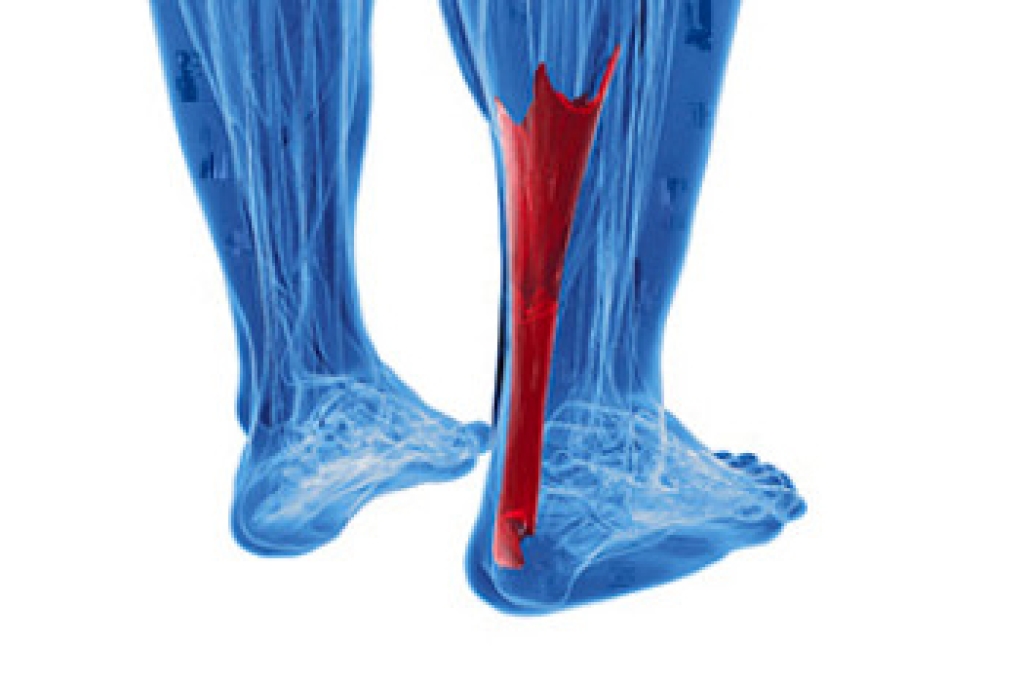
Achilles tendonitis is another cause of heel pain. Inflammation of the Achilles tendon will cause pain from fractures and muscle tearing. Lack of flexibility is also another symptom.
Heel spurs are another cause of pain. When the tissues of the plantar fascia undergo a great deal of stress, it can lead to ligament separation from the heel bone, causing heel spurs.
Why Might Heel Pain Occur?
- Wearing ill-fitting shoes
- Wearing non-supportive shoes
- Weight change
- Excessive running
Treatments
Heel pain should be treated as soon as possible for immediate results. Keeping your feet in a stress-free environment will help. If you suffer from Achilles tendonitis or plantar fasciitis, applying ice will reduce the swelling. Stretching before an exercise like running will help the muscles. Using all these tips will help make heel pain a condition of the past.
If you have any questions, please feel free to contact our office located in Peachtree City, GA . We offer the newest diagnostic and treatment technologies for all your foot care needs.