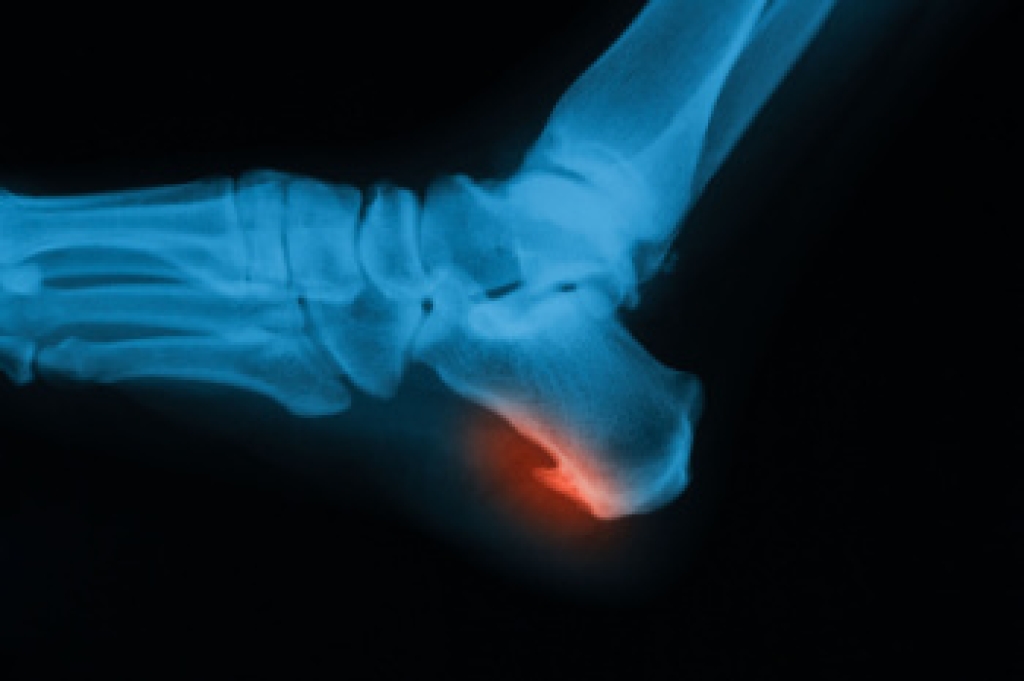
Facts About Heel Spurs

A heel spur is a bony growth that often develops on the underside of the heel bone due to calcium deposits forming over time. It often occurs as a result of repeated strain on foot muscles and ligaments. Causes include aging, joint stress, and being overweight.  Poorly fitting footwear and participating in high impact athletic activity also may contribute. Risk factors involve prolonged standing, flat feet or high arches, and improper support during movement. Symptoms include sharp heel pain, especially with the first steps after rest, and ongoing discomfort while walking. A podiatrist can diagnose heel spurs through an examination and imaging. Treatment options include custom orthotics, stretching exercises, and supportive footwear. If you have heel pain, it is suggested that you consult a podiatrist who can accurately diagnose and treat heel spurs.

Heel spurs can be incredibly painful and sometimes may make you unable to participate in physical activities. To get medical care for your heel spurs, contact Mindy J. Trotter, DPM, CWSP from Georgia. Our doctor will do everything possible to treat your condition.

Heels Spurs

Heel spurs are formed by calcium deposits on the back of the foot where the heel is. This can also be caused by small fragments of bone breaking off one section of the foot, attaching onto the back of the foot. Heel spurs can also be bone growth on the back of the foot and may grow in the direction of the arch of the foot.

Older individuals usually suffer from heel spurs and pain sometimes intensifies with age. One of the main condition's spurs are related to is plantar fasciitis.

Pain

The pain associated with spurs is often because of weight placed on the feet. When someone is walking, their entire weight is concentrated on the feet. Bone spurs then have the tendency to affect other bones and tissues around the foot. As the pain continues, the feet will become tender and sensitive over time.

Treatments

There are many ways to treat heel spurs. If one is suffering from heel spurs in conjunction with pain, there are several methods for healing. Medication, surgery, and herbal care are some options.

If you have any questions, please feel free to contact our office located in Peachtree City, GA . We offer the newest diagnostic and treatment technologies for all your foot care needs.

Read more about Heel Spurs

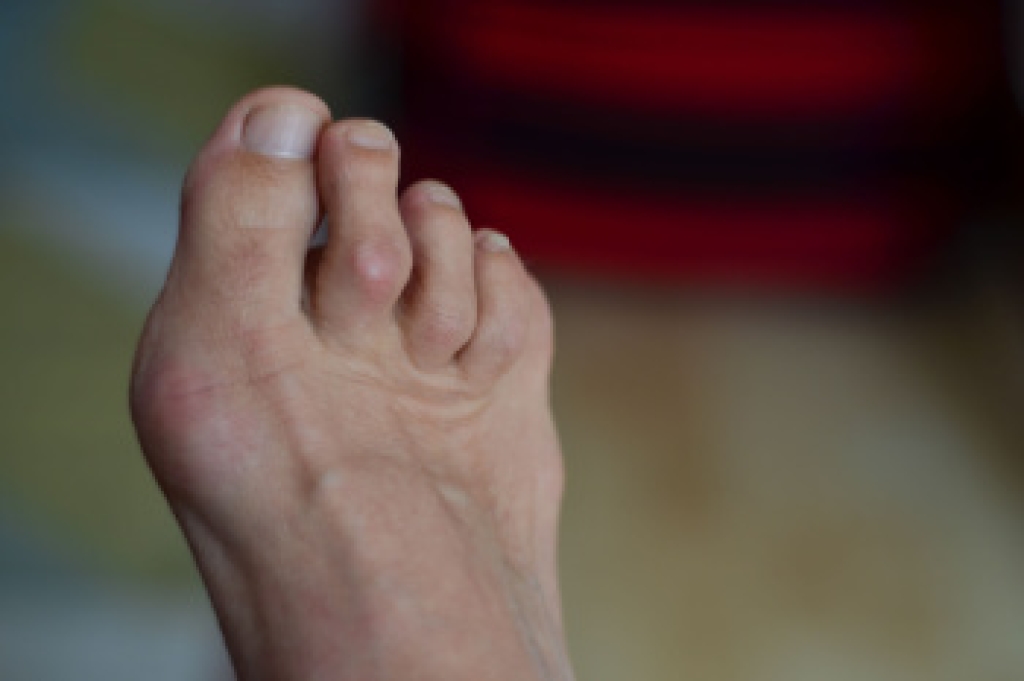
Dealing With Toes That Curl

A hammertoe is a deformity in which one of the smaller toes bends downward at the middle joint, creating a curled or claw-like appearance. Over time, the toe may become stiff and difficult to straighten. Hammertoe can develop from muscle imbalance,  wearing improper footwear, or arthritis. Symptoms include pain while  walking, irritation from shoe pressure, and the formation of corns or calluses on the top of the toe or at the tip. The affected toe may look raised at the joint with redness or thickened skin from friction. A podiatrist can evaluate the flexibility of the toe and determine the severity of the deformity. Early treatment includes padding, footwear changes, and custom orthotics to relieve pressure and improve alignment. Targeted exercises may help maintain flexibility in milder cases. When the deformity becomes rigid or painful, surgery may be considered to realign the toe. If you have a hammertoe, it is suggested that you schedule an appointment with a podiatrist for appropriate treatment solutions.

Hammertoe

Hammertoes can be a painful condition to live with. For more information, contact Mindy J. Trotter, DPM, CWSP from Georgia. Our doctor will answer any of your foot- and ankle-related questions.

Hammertoe is a foot deformity that affects the joints of the second, third, fourth, or fifth toes of your feet. It is a painful foot condition in which these toes curl and arch up, which can often lead to pain when wearing footwear.

Symptoms

  • Pain in the affected toes
  • Development of corns or calluses due to friction
  • Inflammation
  • Redness
  • Contracture of the toes

Causes

Genetics – People who are genetically predisposed to hammertoe are often more susceptible

Arthritis – Because arthritis affects the joints in your toes, further deformities stemming from arthritis can occur

Trauma – Direct trauma to the toes could potentially lead to hammertoe

Ill-fitting shoes – Undue pressure on the front of the toes from ill-fitting shoes can potentially lead to the development of hammertoe

Treatment

Orthotics – Custom made inserts can be used to help relieve pressure placed on the toes and therefore relieve some of the pain associated with it

Medications – Oral medications such as anti-inflammatories or NSAIDs could be used to treat the pain and inflammation hammertoes causes. Injections of corticosteroids are also sometimes used

Surgery – In more severe cases where the hammertoes have become more rigid, foot surgery is a potential option

If you have any questions, please feel free to contact our office located in Peachtree City, GA . We offer the newest diagnostic and treatment technologies for all your foot care needs.
Read more about What Are Hammertoes?

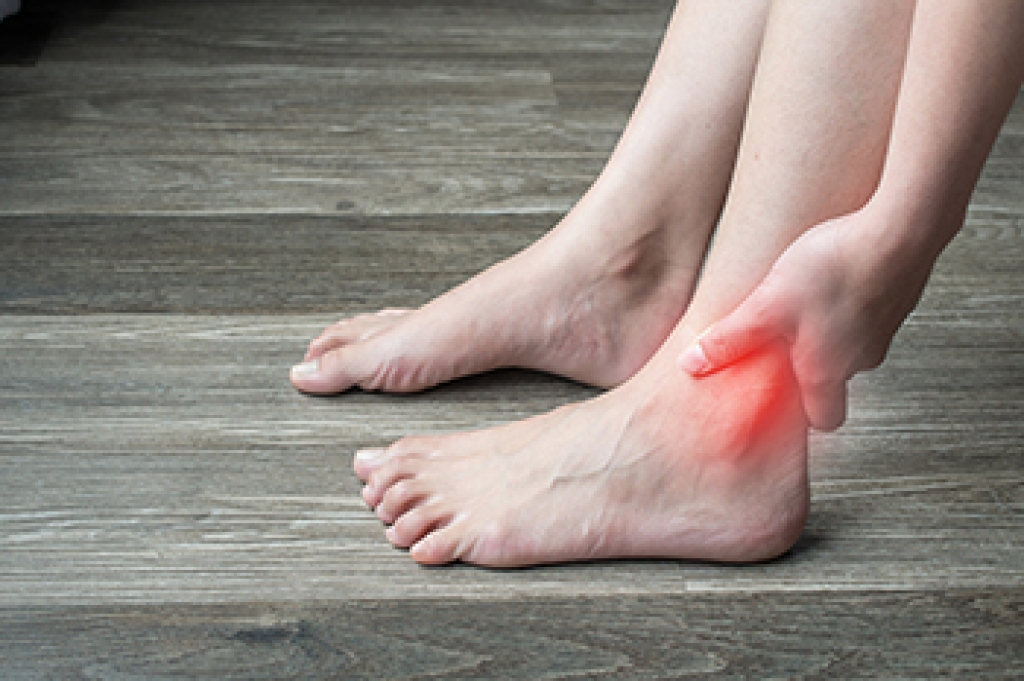
Causes of Ankle Pain

Ankle pain refers to discomfort in the joint formed by the tibia, fibula, and talus bones, which work together to support movement and balance. Pain can result from injuries to any of these bones, or the ligaments and cartilage between them. Common causes include awkward turning, twisting, or rolling of the ankle, as well as repetitive strain from overuse. This condition is especially common among athletes and active individuals. Risk factors include wearing improper footwear, uneven surfaces, and poor conditioning. Symptoms may include swelling, stiffness, bruising, and difficulty walking. A podiatrist can diagnose the source of pain, provide targeted treatment, and recommend supportive footwear or orthotics. Early care can prevent further injury and restore mobility. If you have ankle pain, it is suggested that you promptly consult a podiatrist who can determine what the cause is, and offer appropriate relief and treatment solutions.

Ankle pain can have many different causes and the pain may potentially be serious. If you have ankle pain, consult with Mindy J. Trotter, DPM, CWSP from Georgia. Our doctor will assess your condition and provide you with quality foot and ankle treatment.

Ankle pain is any condition that causes pain in the ankle. Due to the fact that the ankle consists of tendons, muscles, bones, and ligaments, ankle pain can come from a number of different conditions.

Causes

The most common causes of ankle pain include:

  • Types of arthritis (rheumatoid, osteoarthritis, and gout)
  • Ankle sprains
  • Broken ankles
  • Achilles tendinitis
  • Achilles tendon rupture
  • Stress fractures
  • Tarsal tunnel syndrome
  • Plantar fasciitis

Symptoms

Symptoms of ankle injury vary based upon the condition. Pain may include general pain and discomfort, swelling, aching, redness, bruising, burning or stabbing sensations, and/or loss of sensation.

Diagnosis

Due to the wide variety of potential causes of ankle pain, podiatrists will utilize a number of different methods to properly diagnose ankle pain. This can include asking for personal and family medical histories and of any recent injuries. Further diagnosis may include sensation tests, a physical examination, and potentially x-rays or other imaging tests.

Treatment

Just as the range of causes varies widely, so do treatments. Some more common treatments are rest, ice packs, keeping pressure off the foot, orthotics and braces, medication for inflammation and pain, and surgery.

If you have any questions please feel free to contact our office located in Peachtree City, GA . We offer the newest diagnostic tools and technology to treat your foot and ankle needs.

Read more about Ankle Pain

High Heels and Foot Health

Wearing high heels regularly can negatively affect foot health, contributing to bunions, hammertoes, plantar fasciitis, and even Achilles tendon tears. Frequent high-heel use often leads to chronic foot pain, stiffness, and imbalance. Choosing heels wisely can reduce these risks. Opt for shoes that are less than one-and-a-half inches high, wider at the heel for stability, with soft insoles for cushioning, and ample toe room to prevent crowding. A podiatrist can evaluate your foot structure, recommend supportive footwear, provide custom orthotics, and treat injuries or pain caused by high heel use. If you enjoy wearing high heels but have developed foot pain, it is suggested that you consult a podiatrist who can treat various foot and ankle conditions, as well as guide you on more appropriate shoes to wear for maximum foot health.

High heels have a history of causing foot and ankle problems. If you have any concerns about your feet or ankles, contact Mindy J. Trotter, DPM, CWSP from Georgia. Our doctor can provide the care you need to keep you pain-free and on your feet.

Effects of High Heels on the Feet

High heels are popular shoes among women because of their many styles and societal appeal.  Despite this, high heels can still cause many health problems if worn too frequently.

Which Parts of My Body Will Be Affected by High Heels?

  • Ankle Joints
  • Achilles Tendon – May shorten and stiffen with prolonged wear
  • Balls of the Feet
  • Knees – Heels cause the knees to bend constantly, creating stress on them
  • Back – They decrease the spine’s ability to absorb shock, which may lead to back pain.  The vertebrae of the lower back may compress.

What Kinds of Foot Problems Can Develop from Wearing High Heels?

  • Corns
  • Calluses
  • Hammertoe
  • Bunions
  • Morton’s Neuroma
  • Plantar Fasciitis

How Can I Still Wear High Heels and Maintain Foot Health?

If you want to wear high heeled shoes, make sure that you are not wearing them every day, as this will help prevent long term physical problems.  Try wearing thicker heels as opposed to stilettos to distribute weight more evenly across the feet.  Always make sure you are wearing the proper shoes for the right occasion, such as sneakers for exercising.  If you walk to work, try carrying your heels with you and changing into them once you arrive at work.  Adding inserts to your heels can help cushion your feet and absorb shock. Full foot inserts or metatarsal pads are available. 

If you have any questions, please feel free to contact our office located in Peachtree City, GA . We offer the newest diagnostic and treatment technologies for all your foot care needs.

Read more about Effect of High Heels on the Feet
scroll to top