When an Ingrown Toenail Turns Into Infection

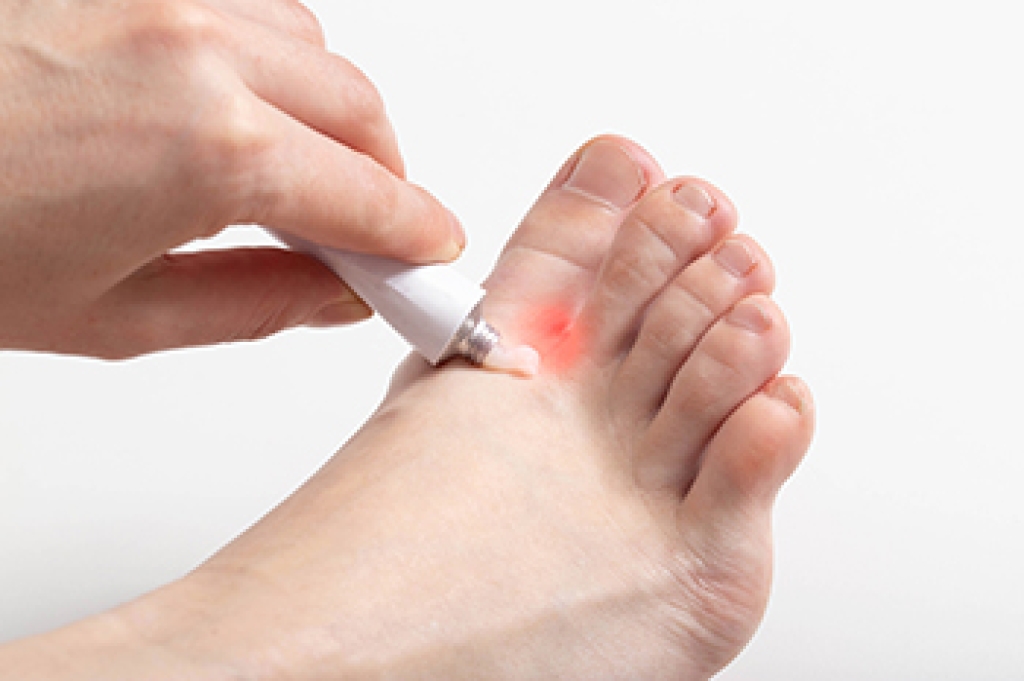
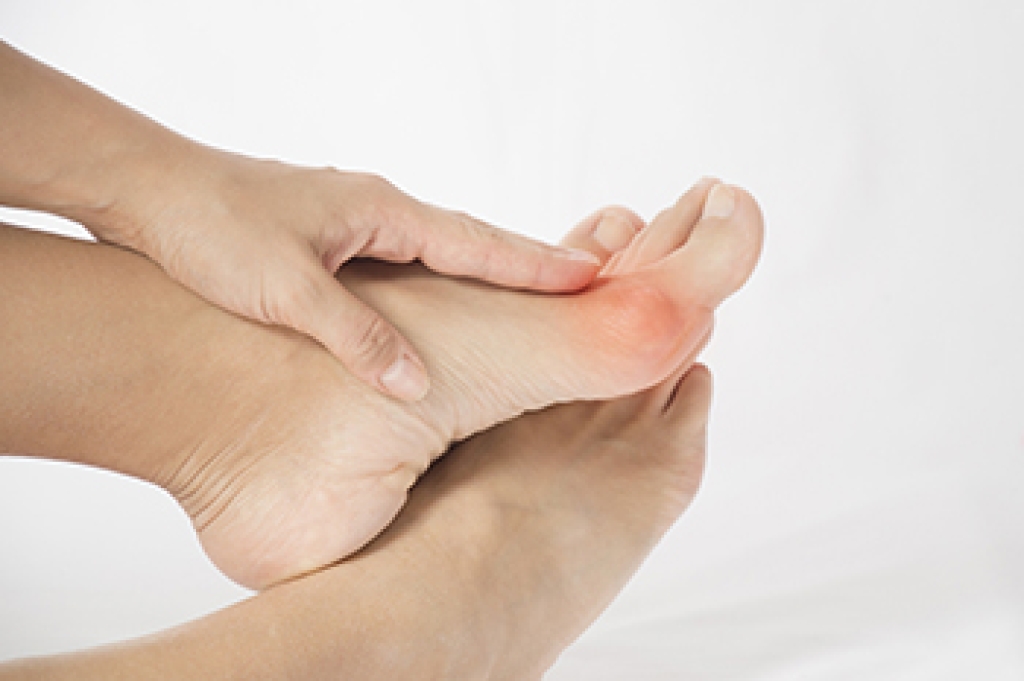
Infected ingrown toenails can turn a small nail problem into a painful swollen toe that makes walking uncomfortable. This condition develops when the edge of the toenail grows into the surrounding skin, causing bacteria to enter the irritated area. Redness, warmth, drainage, and throbbing pain are common warning signs. Wearing tight shoes, improper nail trimming, and naturally curved nails often increase the risk. Early care can prevent deeper infection. Avoid digging into the nail or cutting the corner too deeply, since this can worsen the infection. Supportive roomy shoes reduce pressure on the tender toe. When toe pain, swelling, or drainage continues, it is suggested that you see a podiatrist for a diagnosis and appropriate treatment.

Ingrown toenails can become painful if they are not treated properly. For more information about ingrown toenails, contact Mindy J. Trotter, DPM, CWSP of Georgia. Our doctor can provide the care you need to keep you pain-free and on your feet.

Ingrown Toenails

Ingrown toenails occur when a toenail grows sideways into the bed of the nail, causing pain, swelling, and possibly infection.

Causes

  • Bacterial infections
  • Improper nail cutting such as cutting it too short or not straight across
  • Trauma to the toe, such as stubbing, which causes the nail to grow back irregularly
  • Ill-fitting shoes that bunch the toes too close together
  • Genetic predisposition

Prevention

Wearing proper fitting shoes and using proper cutting techniques will also help decrease your risk of developing ingrown toenails.

Treatment

Ingrown toenails are a very treatable foot condition. In minor cases, soaking the affected area in salt or antibacterial soaps will not only help with the ingrown nail itself, but also help prevent any infections from occurring. In more severe cases, surgery is an option. In either case, speaking to your podiatrist about this condition will help you get a better understanding of specific treatment options that are right for you.

If you have any questions, please feel free to contact our office located in Peachtree City, GA . We offer the newest diagnostic and treatment technologies for all your foot care needs.


Read more about Ingrown Toenails

Let the Expert Treat Your Ingrown Toenails

Ingrown toenails can be painful and can make wearing shoes or walking uncomfortable. Seek professional help if you believe you've developed an ingrown toenail and be treated safely. 

Foot and Ankle Injuries in Basketball

Foot and ankle injuries are frequent concerns for basketball players because quick pivots, sharp stops, and repeated jumping place heavy stress on the lower limbs. Sprains are especially troublesome, often occurring when the foot rolls inward or outward and overstretches the supporting ligaments of the ankle. These basketball injuries can lead to pain, swelling, and difficulty pushing off the ground. Fractures of the foot or ankle can also occur from forceful landings or repeated impact, sometimes affecting bones such as the fifth metatarsal or the talus. Conditions like Achilles tendon strains or ruptures develop when the tendon is pushed beyond its limit during explosive movements. Shoes that lack adequate support or worn-out athletic shoes can increase the risk of injury, as can wearing flip-flops before or after games. A podiatrist can evaluate the injury, order imaging if needed, and provide effective treatment or discuss surgery when necessary. If you have sustained a foot or ankle injury while playing sports, it is suggested that you make an appointment with a podiatrist for a diagnosis and treatment.

Sports related foot and ankle injuries require proper treatment before players can go back to their regular routines. For more information, contact Mindy J. Trotter, DPM, CWSP of Georgia. Our doctor can provide the care you need to keep you pain-free and on your feet.

Sports Related Foot and Ankle Injuries

Foot and ankle injuries are a common occurrence when it comes to athletes of any sport. While many athletes dismiss the initial aches and pains, the truth is that ignoring potential foot and ankle injuries can lead to serious problems. As athletes continue to place pressure and strain the area further, a mild injury can turn into something as serious as a rupture and may lead to a permanent disability. There are many factors that contribute to sports related foot and ankle injuries, which include failure to warm up properly, not providing support or wearing bad footwear. Common injuries and conditions athletes face, including:

  • Plantar Fasciitis
  • Achilles Tendinitis
  • Achilles Tendon Rupture
  • Ankle Sprains

Sports related injuries are commonly treated using the RICE method. This includes rest, applying ice to the injured area, compression and elevating the ankle. More serious sprains and injuries may require surgery, which could include arthroscopic and reconstructive surgery. Rehabilitation and therapy may also be required in order to get any recovering athlete to become fully functional again. Any unusual aches and pains an athlete sustains must be evaluated by a licensed, reputable medical professional.

If you have any questions please contact our office located in Peachtree City, GA . We offer the newest diagnostic and treatment technologies for all your foot and ankle needs.

Read more about Sports Related Foot And Ankle Injuries

Athlete's Foot and Why It Happens

Athlete's foot is a common fungal infection that affects the skin between the toes and sometimes spreads to the soles of the feet. It often presents as an itchy, scaly, red rash that can cause discomfort and cracking of the skin. This condition develops when fungi thrive in warm, damp environments such as the inside of shoes or boots, wet clothing, locker room floors, or public bathrooms. Risk factors include excessive sweating, wearing tight or non-breathable footwear, and shared communal spaces. A podiatrist can diagnose the infection, recommend antifungal treatments, and provide guidance on footwear and hygiene to prevent recurrence. If you have symptoms of athlete’s foot, it is suggested that you promptly consult a podiatrist who can begin early treatment, which can include prescribed medication.

Athlete’s Foot

Athlete’s foot is often an uncomfortable condition to experience. Thankfully, podiatrists specialize in treating athlete’s foot and offer the best treatment options. If you have any questions about athlete’s foot, consult with Mindy J. Trotter, DPM, CWSP from Georgia. Our doctor will assess your condition and provide you with quality treatment.

What Is Athlete’s Foot?

Tinea pedis, more commonly known as athlete’s foot, is a non-serious and common fungal infection of the foot. Athlete’s foot is contagious and can be contracted by touching someone who has it or infected surfaces. The most common places contaminated by it are public showers, locker rooms, and swimming pools. Once contracted, it grows on feet that are left inside moist, dark, and warm shoes and socks.

Prevention

The most effective ways to prevent athlete’s foot include:

  • Thoroughly washing and drying feet
  • Avoid going barefoot in locker rooms and public showers
  • Using shower shoes in public showers
  • Wearing socks that allow the feet to breathe
  • Changing socks and shoes frequently if you sweat a lot

Symptoms

Athlete’s foot initially occurs as a rash between the toes. However, if left undiagnosed, it can spread to the sides and bottom of the feet, toenails, and if touched by hand, the hands themselves. Symptoms include:

  • Redness
  • Burning
  • Itching
  • Scaly and peeling skin

Diagnosis and Treatment

Diagnosis is quick and easy. Skin samples will be taken and either viewed under a microscope or sent to a lab for testing. Sometimes, a podiatrist can diagnose it based on simply looking at it. Once confirmed, treatment options include oral and topical antifungal medications.

If you have any questions, please feel free to contact our office located in Peachtree City, GA . We offer the newest diagnostic and treatment technologies for all your foot care needs.

Read more about How to Deal with Athlete's Foot

The Strength of a Dancer’s Ankle

A dancer's ankle is a remarkable structure that provides strength, flexibility, and control while supporting the entire body on tip toes. During movements such as en pointe and plie, the ankle, forefoot, and midfoot must work together with exceptional coordination and stability. Dancers require extra range of motion in the forefoot and midfoot to achieve proper alignment and graceful extension. At peak activity, up to three times body weight can pass through the feet, placing significant stress on bones, ligaments, and tendons. Without proper conditioning and alignment, overuse injuries may develop. A podiatrist can assess biomechanics, recommend supportive care, and guide injury prevention strategies. If you have injured your foot or ankle while dancing, it is suggested that you consult a podiatrist who can offer effective relief and treatment solutions.

If you have any concerns about your feet, contact Mindy J. Trotter, DPM, CWSP from Georgia. Our doctor can provide the care you need to keep you pain-free and on your feet.

Biomechanics in Podiatry

Podiatric biomechanics is a particular sector of specialty podiatry with licensed practitioners who are trained to diagnose and treat conditions affecting the foot, ankle and lower leg. Biomechanics deals with the forces that act against the body, causing an interference with the biological structures. It focuses on the movement of the ankle, the foot and the forces that interact with them.

A History of Biomechanics

  • Biomechanics dates back to the BC era in Egypt where evidence of professional foot care has been recorded.
  • In 1974, biomechanics gained a higher profile from the studies of Merton Root, who claimed that by changing or controlling the forces between the ankle and the foot, corrections or conditions could be implemented to gain strength and coordination in the area.

Modern technological improvements are based on past theories and therapeutic processes that provide a better understanding of podiatric concepts for biomechanics. Computers can provide accurate information about the forces and patterns of the feet and lower legs.

Understanding biomechanics of the feet can help improve and eliminate pain, stopping further stress to the foot.

If you have any questions please feel free to contact our office located in Peachtree City, GA . We offer the newest diagnostic and treatment technologies for all your foot and ankle needs.

Read more about Biomechanics in Podiatry
scroll to top