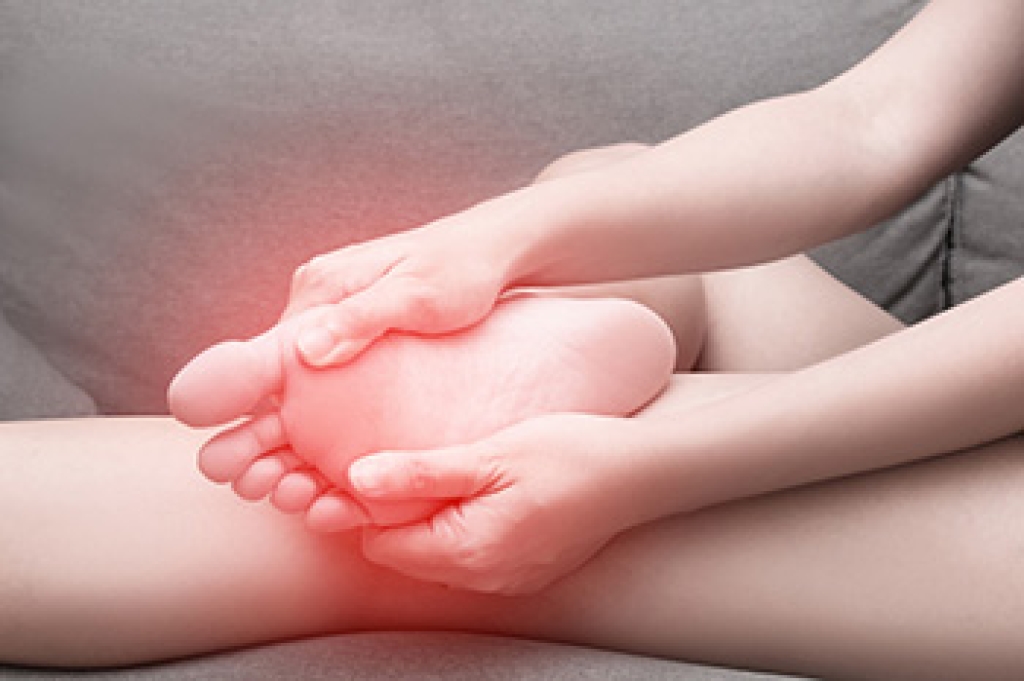
Understanding Metatarsalgia and How to Find Relief

Metatarsalgia is a term used to describe pain and inflammation in the ball of the foot, just behind the toes. It often feels like a sharp, aching, or burning sensation that worsens with walking, running, or standing for long periods. Common causes include high-impact activity, poorly cushioned footwear, high heels, and foot structure issues such as high arches or a longer second toe. Excess body weight and age-related thinning of the natural fat pad under the foot may also increase pressure in this area. Managing metatarsalgia focuses on reducing stress to the forefoot. Wearing supportive shoes with adequate cushioning, metatarsal pads, and custom orthotics may help redistribute pressure. Activity modification and targeted stretching can also ease discomfort. When ball-of-the-foot pain persists or interferes with daily activity, it is suggested that a podiatrist evaluate the condition and recommend appropriate treatment.

Foot Pain

Foot pain can be extremely painful and debilitating. If you have a foot pain, consult with Mindy J. Trotter, DPM, CWSP from Georgia. Our doctor will assess your condition and provide you with quality foot and ankle treatment.

Causes

Foot pain is a very broad condition that could be caused by one or more ailments. The most common include:

  • Bunions
  • Hammertoes
  • Plantar Fasciitis
  • Bone Spurs
  • Corns
  • Tarsal Tunnel Syndrome
  • Ingrown Toenails
  • Arthritis (such as Gout, Rheumatoid, and Osteoarthritis)
  • Flat Feet
  • Injury (from stress fractures, broken toe, foot, ankle, Achilles tendon ruptures, and sprains)
  • And more

Diagnosis

To figure out the cause of foot pain, podiatrists utilize several different methods. This can range from simple visual inspections and sensation tests to X-rays and MRI scans. Prior medical history, family medical history, and any recent physical traumatic events will all be taken into consideration for a proper diagnosis.

Treatment

Treatment depends upon the cause of the foot pain. Whether it is resting, staying off the foot, or having surgery; podiatrists have a number of treatment options available for foot pain.

If you have any questions, please feel free to contact our office located in Peachtree City, GA . We offer the newest diagnostic and treatment technologies for all your foot care needs.

Read more about Foot Pain

Heel Spur Exercises for Pain Relief

Heel spurs are bony growths on the heel that often cause sharp pain, tenderness, and inflammation, especially while walking or standing. Symptoms include stabbing pain in the heel, swelling, or discomfort after rest. Effective exercises can reduce pain and improve foot function. These can include the foot flex, which involves bending the foot upward and downward to stretch and strengthen the plantar fascia, the thick band of tissue on the sole of the foot. Calf stretches on a step help lengthen the calf muscles and Achilles tendon, relieving tension on the heel. Additionally, the toe towel grab strengthens foot muscles by picking up a towel with the toes. A podiatrist can evaluate heel pain, and recommend proper stretches. If you have heel pain, it is suggested that you consult a podiatrist who can accurately diagnose what may be going on, and start you on a personalized plan for relief and improved foot health.

Exercising your feet regularly with the proper foot wear is a great way to prevent injuries and build strength. If you have any concerns about your feet, contact Mindy J. Trotter, DPM, CWSP from Georgia. Our doctor can provide the care you need to keep you pain-free and on your feet.

Exercise for Your Feet

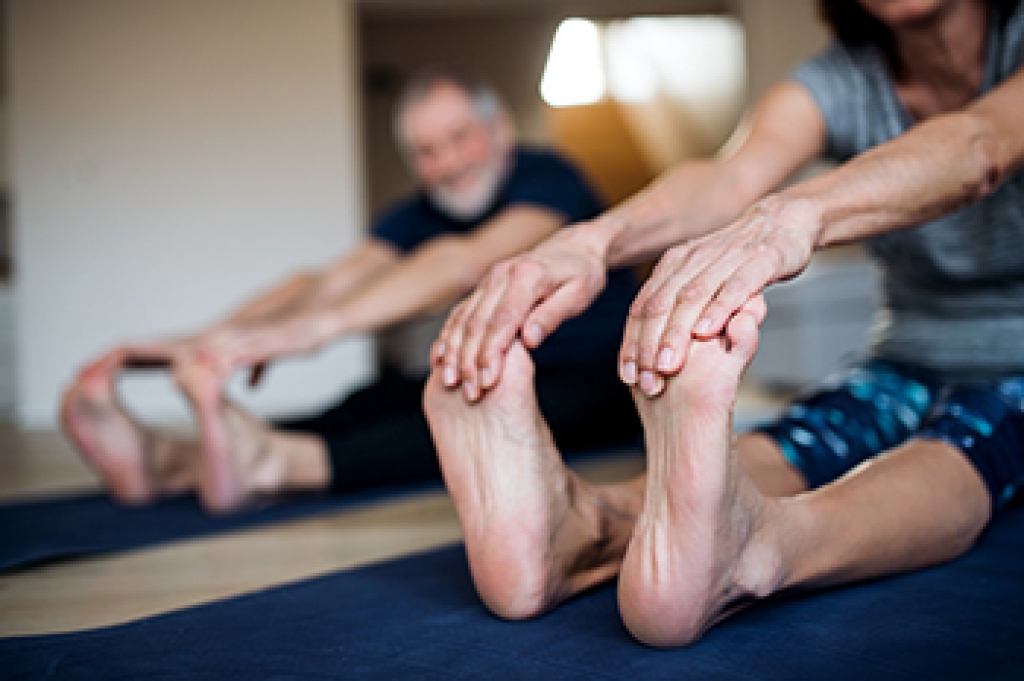
Exercise for your feet can help you gain strength, mobility and flexibility in your feet. They say that strengthening your feet can be just as rewarding as strengthening another part of the body. Your feet are very important, and we often forget about them in our daily tasks. But it is because of our feet that are we able to get going and do what we need to. For those of us fortunate enough to not have any foot problems, it is an important gesture to take care of them to ensure good health in the long run.

Some foot health exercises can include ankle pumps, tip-toeing, toe rises, lifting off the floor doing reps and sets, and flexing the toes. It is best to speak with Our doctor to determine an appropriate regimen for your needs. Everyone’s needs and bodies are different, and the activities required to maintain strength in the feet vary from individual to individual. 

Once you get into a routine of doing regular exercise, you may notice a difference in your feet and how strong they may become.

If you have any questions, please feel free to contact our office located in Peachtree City, GA . We offer the newest diagnostic and treatment technologies for all your foot care needs.

Read more about Exercise for Your Feet

We Can Treat Your Foot or Ankle Pain

Foot or ankle pain can negatively affect your day-to-day life and can occur due to several different conditions. Pain can also be an indicator of a more serious underlying condition, which is why you should seek professional help as soon as you notice any abnormalities in your feet.

Understanding Two Common Types of Arthritis in the Feet

Osteoarthritis and rheumatoid arthritis both affect joints, but they develop in very different ways. Osteoarthritis is a wear-related condition that occurs when joint cartilage gradually breaks down over time. In the feet, it often causes stiffness, aching, and pain that worsens with activity and improves with rest. Rheumatoid arthritis is an autoimmune disease in which the immune system attacks joint lining. This leads to inflammation, swelling, warmth, and pain that may affect both feet symmetrically. Symptoms often feel worse in the morning or after periods of rest. Rheumatoid arthritis can also cause joint deformity if left untreated. Treatment approaches differ. Osteoarthritis care focuses on reducing stress on joints and improving movement, while rheumatoid arthritis requires medical management to control inflammation and protect joints. If foot pain, stiffness, or swelling persists, it is suggested that you see a podiatrist for an evaluation and treatment guidance.

Arthritis can be a difficult condition to live with. If you are seeking treatment, contact Mindy J. Trotter, DPM, CWSP from Georgia. Our doctor can provide the care you need to keep you pain-free and on your feet.

Arthritic Foot Care  

Arthritis is a term that is commonly used to describe joint pain.  The condition itself can occur to anyone of any age, race, or gender, and there are over 100 types of it.  Nevertheless, arthritis is more commonly found in women compared to men, and it is also more prevalent in those who are overweight. The causes of arthritis vary depending on which type of arthritis you have. Osteoarthritis for example, is often caused by injury, while rheumatoid arthritis is caused by a misdirected immune system.

Symptoms

  • Swelling
  • Pain
  • Stiffness
  • Decreased Range of Motion

Arthritic symptoms range in severity, and they may come and go. Some symptoms stay the same for several years but could potentially get worse with time. Severe cases of arthritis can prevent its sufferers from performing daily activities and make walking difficult.

Risk Factors

  • Occupation – Occupations requiring repetitive knee movements have been linked to osteoarthritis
  • Obesity – Excess weight can contribute to osteoarthritis development
  • Infection – Microbial agents can infect the joints and trigger arthritis
  • Joint Injuries – Damage to joints may lead to osteoarthritis
  • Age – Risk increases with age
  • Gender –Most types are more common in women
  • Genetics – Arthritis can be hereditary

If you suspect your arthritis is affecting your feet, it is crucial that you see a podiatrist immediately. Your doctor will be able to address your specific case and help you decide which treatment method is best for you.

If you have any questions please feel free to contact our office located in Peachtree City, GA . We offer the newest diagnostic tools and technology to treat your foot and ankle needs.

Read more about Arthritic Foot Care

Dealing With Corns

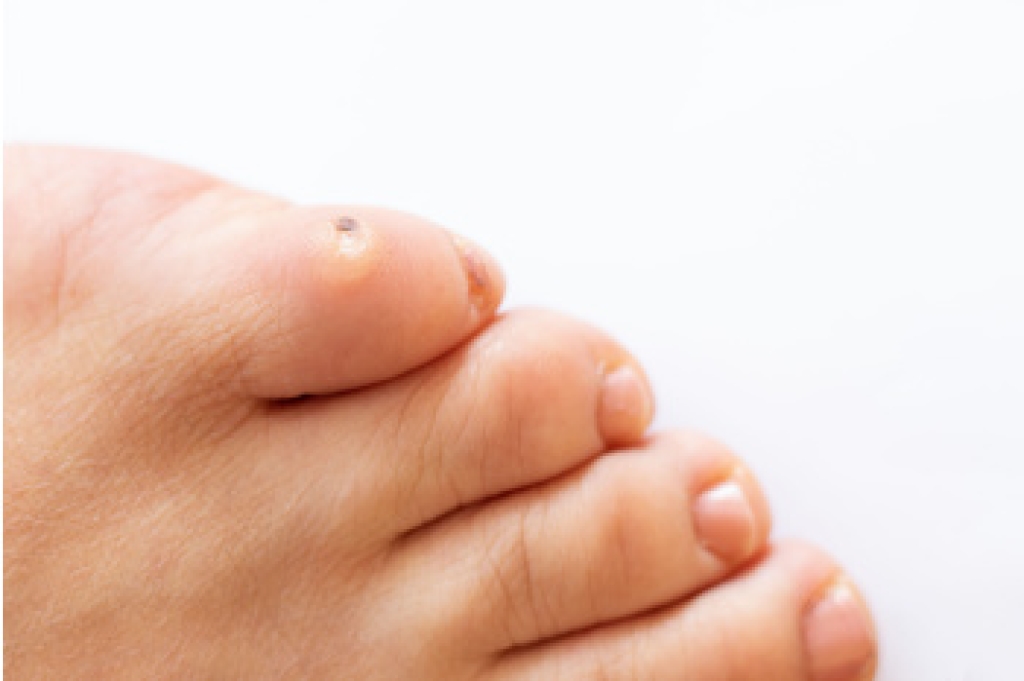
Recovering from corns on the feet, whether soft, hard, or seed, is a relief for many patients who have lived with daily discomfort. Corns are caused by repeated pressure or friction from tight shoes, foot structure, or walking patterns. They often look like small, thickened circles of skin, sometimes with a hard center, and may feel sharp, tender, or burning when pressure is applied. Soft corns appear between toes and feel moist, while hard corns develop on bony areas, and seed corns form in clusters on the sole. A podiatrist begins with a careful exam to confirm the type of corn and rule out infection or warts. Treatment may include professional removal of thickened skin, protective padding or orthotics, and footwear guidance to prevent recurrence. With proper care, healing is smoother and comfort returns. If you have corns, it is suggested that you make an appointment with a podiatrist.

If you have any concerns regarding your feet and ankles, contact Mindy J. Trotter, DPM, CWSP of Georgia. Our doctor will treat your foot and ankle needs.

Corns: What Are They? and How Do You Get Rid of Them?
Corns can be described as areas of the skin that have thickened to the point of becoming painful or irritating. They are often layers and layers of the skin that have become dry and rough, and are normally smaller than calluses.

Ways to Prevent Corns
There are many ways to get rid of painful corns such as wearing:

  • Well-fitting socks
  • Comfortable shoes that are not tight around your foot
  • Shoes that offer support

Treating Corns
Treatment of corns involves removing the dead skin that has built up in the specific area of the foot. Consult with Our doctor to determine the best treatment option for your case of corns.

If you have any questions, please feel free to contact our office located in Peachtree City, GA . We offer the newest diagnostic and treatment technologies for all your foot care needs.
Read more about Corns: What Are They, and How Do You Get Rid of Them
scroll to top