Caring for Senior Feet and Maintaining Comfort

https://www.crossroadshospice.com/hospice-palliative-care-blog/2022/january/27/how-to-care-for-senior-feet/

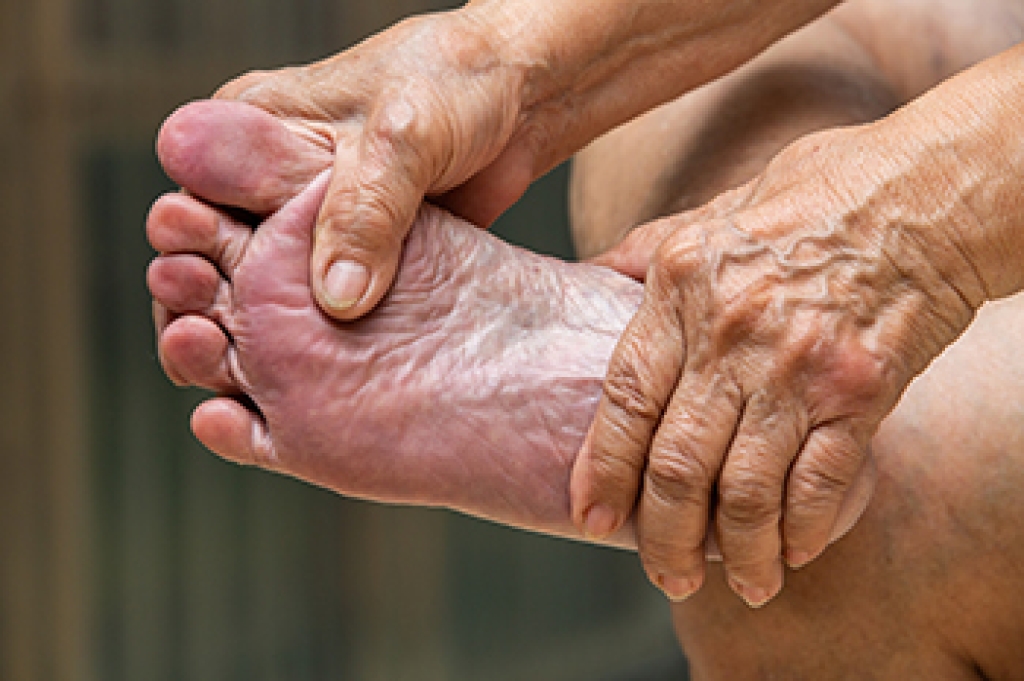
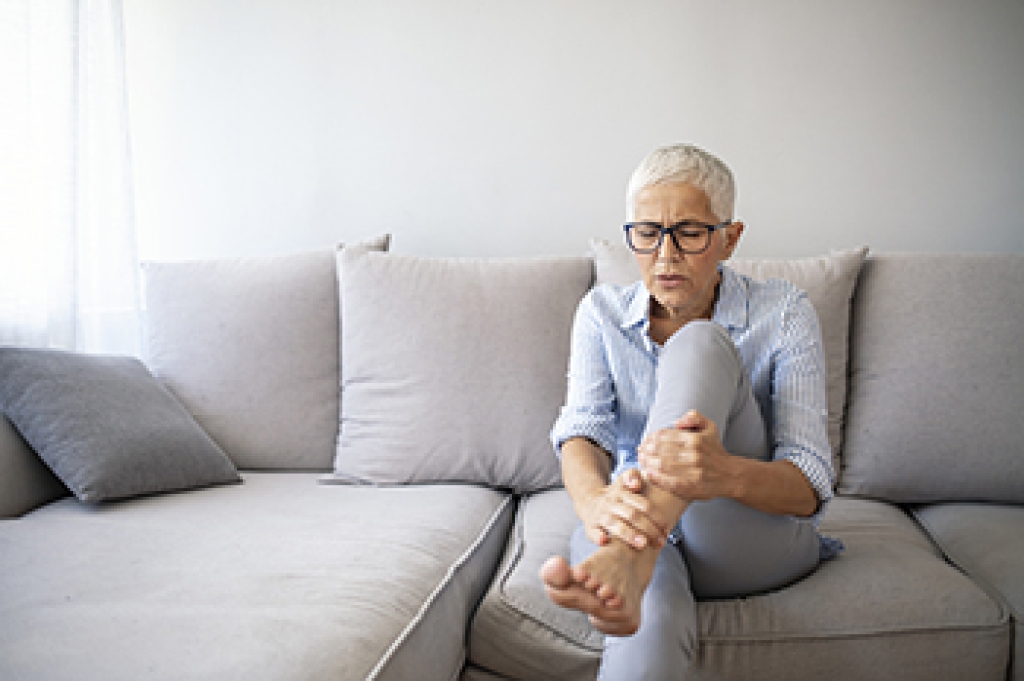
Senior feet require special attention as changes in circulation, skin health, and mobility can make them more vulnerable to discomfort and injury. Regular care includes trimming toenails carefully to prevent ingrown nails, keeping the skin clean and moisturized, and wearing clean cotton socks to reduce irritation and support healthy airflow. Wearing supportive footwear is also essential for balance and stability. A podiatrist can provide routine foot examinations, manage common concerns such as corns, calluses, and fungal infections, and offer guidance that promotes safety and comfort. Taking proactive steps can improve mobility and overall well-being. If you or a loved one needs help caring for senior feet, it is suggested that you consult a podiatrist who can treat various foot conditions and offer effective elderly foot care tips.

Proper foot care is something many older adults forget to consider. If you have any concerns about your feet and ankles, contact Mindy J. Trotter, DPM, CWSP from Georgia. Our doctor can provide the care you need to keep you pain-free and on your feet.

The Elderly and Their Feet

As we age we start to notice many changes in our body, but the elder population may not notice them right away. Medical conditions may prevent the elderly to take notice of their foot health right away. Poor vision is a lead contributor to not taking action for the elderly.

Common Conditions 

  • Neuropathy – can reduce feeling in the feet and can hide many life-threatening medical conditions.
  • Reduced flexibility – prevents the ability of proper toenail trimming, and foot cleaning. If left untreated, it may lead to further medical issues.
  • Foot sores – amongst the older population can be serious before they are discovered. Some of the problematic conditions they may face are:
  • Gouging toenails affecting nearby toe
  • Shoes that don’t fit properly
  • Pressure sores
  • Loss of circulation in legs & feet
  • Edema & swelling of feet and ankles

Susceptible Infections

Diabetes and poor circulation can cause general loss of sensitivity over the years, turning a simple cut into a serious issue.

If you have any questions, please feel free to contact our office located in Peachtree City, GA . We offer the newest diagnostic and treatment technologies for all your foot care needs.

Read more about Elderly and their Feet

Are You Suffering From Nerve Damage?

Neuropathy is a condition that can lead to numbness or loss of sensation in the feet, but it can also cause pain. This condition is more likely to develop for those who are diabetic, obese, or with high blood pressure.

Keeping Your Ankles Safe on Every Run

Healthy feet rely on flexible muscles and supportive tendons, and a few easy stretches can make a noticeable difference in comfort and mobility. A gentle calf stretch against a wall helps ease tightness in the Achilles tendon and reduces strain on the heel and arch. Another helpful movement is the towel stretch, which involves sitting with legs extended, looping a towel under the ball of one foot, and pulling gently until you feel a lengthening through the arch. Many people also benefit from toe flexing and spreading, which awakens small foot muscles that support balance. These simple exercises can be done in minutes and help keep the feet resilient during daily activity. While stretching is a valuable tool, persistent discomfort or stiffness may signal a deeper issue. If foot pain continues despite regular stretching, it is suggested that you see a podiatrist for evaluation and guidance.

All runners should take extra precaution when trying to avoid injury. If you have any concerns about your feet, contact Mindy J. Trotter, DPM, CWSP of Georgia. Our doctor will treat your foot and ankle needs.

How to Prevent Running Injuries

There are a lot of mistakes a runner can make prior to a workout that can induce injury. A lot of athletes tend to overstretch before running, instead of saving those workouts for a post-run routine. Deep lunges and hand-to-toe hamstring pulls should be performed after a workout instead of during a warmup. Another common mistake is jumping into an intense routine before your body is physically prepared for it. You should try to ease your way into long-distance running instead of forcing yourself to rush into it.

More Tips for Preventing Injury

  • Incorporate Strength Training into Workouts - This will help improve the body’s overall athleticism
  • Improve and Maintain Your Flexibility – Stretching everyday will help improve overall performance
  • “Warm Up” Before Running and “Cool Down” Afterward – A warm up of 5-10 minutes helps get rid of lactic acid in the muscles and prevents delayed muscle soreness
  • Cross-Training is Crucial
  • Wear Proper Running Shoes
  • Have a Formal Gait Analysis – Poor biomechanics can easily cause injury

If you have any questions, please feel free to contact our office located in Peachtree City, GA . We offer the newest diagnostic and treatment technologies for all your foot care needs.

Read more about Preventing Running Injuries
scroll to top