Why Friction Blisters Form on the Feet

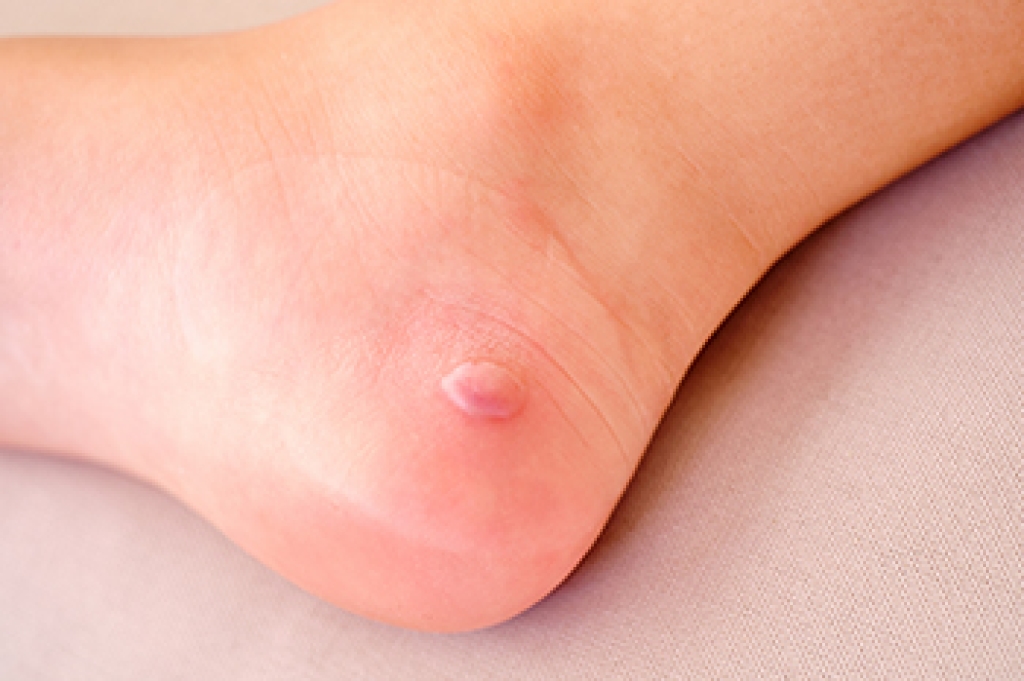
Foot friction blisters develop when repeated rubbing damages the top layers of skin. This commonly happens during long walks, new exercise routines, or when wearing shoes that do not fit properly. Moisture from sweat softens the skin, making it more vulnerable to injury. As the skin rubs against socks or shoes, fluid collects under the surface, creating a painful bubble. Blisters often form on heels, toes, or the ball of the foot where pressure and movement are greatest. Redness, tenderness, and burning may appear before the blister becomes visible. Although many blisters heal on their own, broken skin increases the risk of infection, especially in people with circulation or nerve issues. Wearing proper footwear, moisture control, and early care can reduce problems. If foot blisters are frequent, painful, or slow to heal, it is suggested that you see a podiatrist for appropriate treatment and prevention tips.

Blisters may appear as a single bubble or in a cluster. They can cause a lot of pain and may be filled with pus, blood, or watery serum. If your feet are hurting, contact Mindy J. Trotter, DPM, CWSP of Georgia. Our doctor can provide the care you need to keep you pain-free and on your feet.

Foot Blisters

Foot blisters are often the result of friction. This happens due to the constant rubbing from shoes, which can lead to pain.

What Are Foot Blisters?

A foot blister is a small fluid-filled pocket that forms on the upper-most layer of the skin. Blisters are filled with clear fluid and can lead to blood drainage or pus if the area becomes infected.

Symptoms

(Blister symptoms may vary depending on what is causing them)

  • Bubble of skin filled with fluid
  • Redness
  • Moderate to severe pain
  • Itching

Prevention & Treatment

In order to prevent blisters, you should be sure to wear comfortable shoes with socks that cushion your feet and absorb sweat. Breaking a blister open may increase your chances of developing an infection. However, if your blister breaks, you should wash the area with soap and water immediately and then apply a bandage to the affected area. If your blisters cause severe pain it is important that you call your podiatrist right away.

If you have any questions, please feel free to contact our office located in Peachtree City, GA . We offer the newest diagnostic and treatment technologies for all your foot care needs.

Read more about Blisters

Recognizing Complications From Gout

Gout can lead to several foot-related complications when flares repeat over time. Ongoing inflammation in the toes and ankles can damage cartilage and bone, causing joint deformity, stiffness, and limits in motion. Painful flares can interfere with walking, balance, and daily activities, increasing strain on other areas of the foot. Skin over inflamed joints can become fragile, raising the risk of cracks, sores, or infection, especially when swelling alters shoe fit. Changes in circulation linked to gout can also slow healing in the feet and increase the risk of ulcers. Long-term joint damage can result in instability that raises the chance of falls. A podiatrist can assess joint changes and recommend treatment or surgery. If you have complications from gout, it is suggested that you make an appointment with a podiatrist for a diagnosis and options for help in managing this condition.

Gout is a painful condition that can be treated. If you are seeking treatment, contact Mindy J. Trotter, DPM, CWSP from Georgia. Our doctor will treat your foot and ankle needs.

What Is Gout?

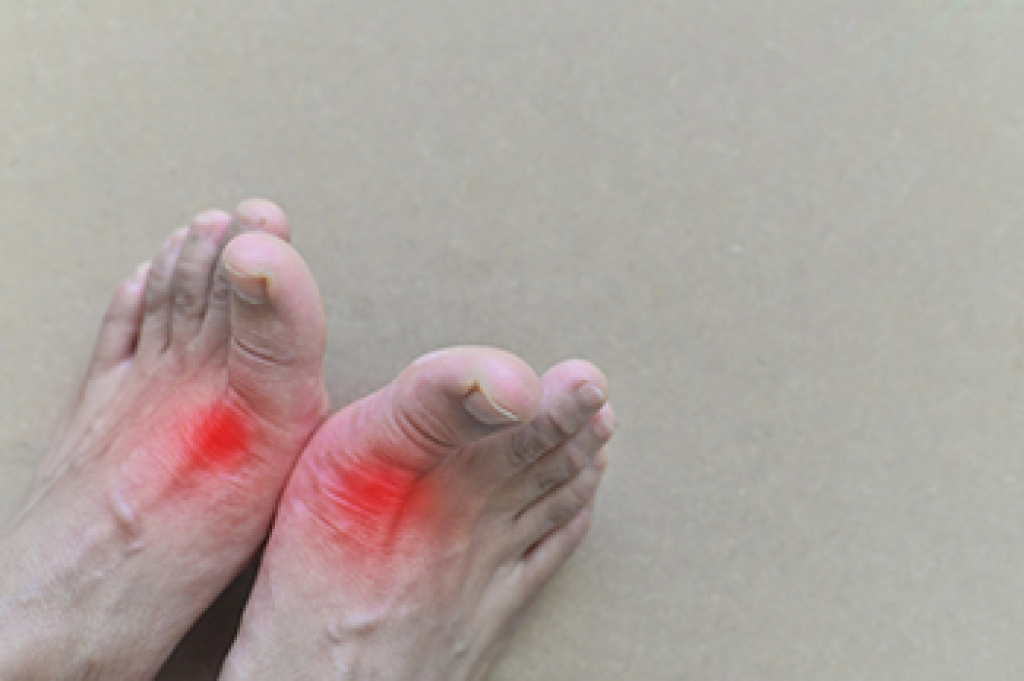
Gout is a form of arthritis that is characterized by sudden, severe attacks of pain, redness, and tenderness in the joints. The condition usually affects the joint at the base of the big toe. A gout attack can occur at any random time, such as the middle of the night while you are asleep.

Symptoms

  • Intense Joint Pain - Usually around the large joint of your big toe, and it most severe within the first four to twelve hours
  • Lingering Discomfort - Joint discomfort may last from a few days to a few weeks
  • Inflammation and Redness -Affected joints may become swollen, tender, warm and red
  • Limited Range of Motion - May experience a decrease in joint mobility

Risk Factors

  • Genetics - If family members have gout, you’re more likely to have it
  • Medications - Diuretic medications can raise uric acid levels
  • Gender/Age - Gout is more common in men until the age of 60. It is believed that estrogen protects women until that point
  • Diet - Eating red meat and shellfish increases your risk
  • Alcohol - Having more than two alcoholic drinks per day increases your risk
  • Obesity - Obese people are at a higher risk for gout

Prior to visiting your podiatrist to receive treatment for gout, there are a few things you should do beforehand. If you have gout you should write down your symptoms--including when they started and how often you experience them, important medical information you may have, and any questions you may have. Writing down these three things will help your podiatrist in assessing your specific situation so that he or she may provide the best route of treatment for you.

If you have any questions, please feel free to contact our office located in Peachtree City, GA . We offer the newest diagnostic and treatment technologies for all your foot care needs.

Read more about Everything You Need to Know About Gout

Foot Protection for Construction Jobs

Construction jobs expose workers to heavy equipment, sharp materials, and uneven surfaces, making safety shoes a vital part of personal care. These shoes are designed to protect the feet from impact, compression, and other workplace hazards. Different types of safety shoes serve different needs. Steel toe shoes help shield toes from falling objects, while met guard shoes protect the top of the foot from heavy impacts. Waterproof safety shoes keep feet dry and reduce the risk of skin irritation when working in wet conditions. Wearing the right safety footwear can improve stability, comfort, and confidence on the job site. A podiatrist can assess foot structure, work demands, and pain concerns to recommend proper safety shoes and custom orthotics for added support. If foot discomfort is interfering with your job responsibility, it is suggested that you consult a podiatrist who can treat various foot conditions, and guide you on appropriate shoes to wear for your workday.

While working on the feet, it is important to take the proper care of them. For more information about working on your feet, contact Mindy J. Trotter, DPM, CWSP from Georgia. Our doctor will treat your foot and ankle needs.

Working on Your Feet

Standing on your feet for long periods of time can cause stress and pain in your feet. Your whole body may experience change in terms of posture, back pain, bunions, callouses and or plantar warts. There are ways to avoid these conditions with proper foot care, smart choices and correct posture.

Positive Changes

Negative heeled shoe – Choosing this shoe type places the heel slightly lower than the ball of the foot. These are great for overall foot health. Find shoes that fit you correctly.

Go barefoot – Our feet were not designed to be enclosed for all hours of the day. Try to periodically expose your feet to air.

Eliminate Pain

Foot Exercises – Performing simple exercises, incorporating yoga and doing stretches are beneficial. This will allow increased blood flow to the area and muscles of the foot.

Achilles tendon – Stretching the foot out flat on the floor will relax the calf muscles and tendon. These exercises can be performed almost anywhere. Make sure you add these exercises to your daily regimen. 

With a little bit of this information and knowing more about foot health, you will notice changes. Foot stretches and proper footwear will help with pain and prevent further issues.

If you have any questions please contact our office located in Peachtree City, GA . We offer the newest diagnostic and treatment technologies for all your foot and ankle needs.

Read more about Working on Your Feet

Get Professional Care for a Broken Foot or Ankle

Constant care and regular evaluation are important for a foot or ankle fracture. If left untreated, foot or ankle fractures can worsen over time and create more serious problems.

Don't wait to be examined if you believe you've experienced a foot or ankle fracture.

Changes in the Toenails Caused by Fungus

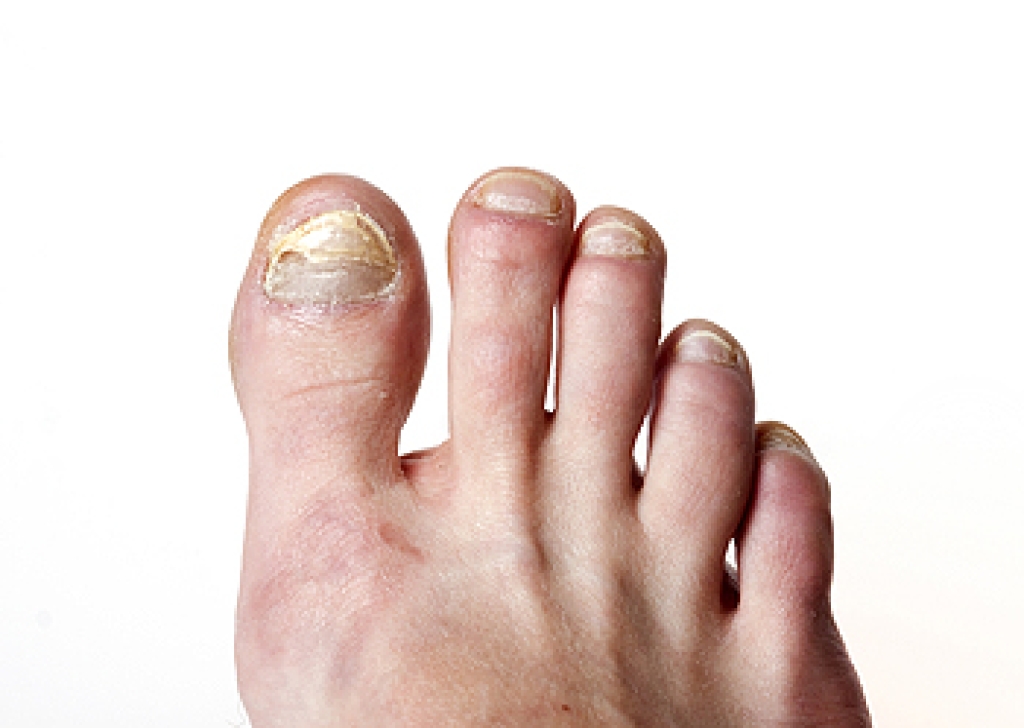
A fungal infection in the toenails begins when tiny organisms settle under the nail and gradually alter its appearance. The nail may become thicker, take on a yellow or cloudy tone, or lose its smooth surface over time. Some people notice that shoes feel tighter, while others see the nail becoming crumbly or uneven as the infection progresses. Because the fungus lives beneath the hard nail plate, it often continues to grow unless properly treated. A podiatrist can examine the nail, confirm the cause, and create a plan that targets the infection at its source. Care may involve medicated applications, oral therapy, precise nail care, or advanced in-office treatments designed to limit fungal growth and improve the look and comfort of the nail. If your toenails are changing in ways that concern you, it is suggested that you see a podiatrist for effective treatment solutions.

If left untreated, toenail fungus may spread to other toenails, skin, or even fingernails. If you suspect you have toenail fungus it is important to seek treatment right away. For more information about treatment, contact Mindy J. Trotter, DPM, CWSP of Georgia. Our doctor can provide the care you need to keep you pain-free and on your feet.

Symptoms

  • Warped or oddly shaped nails
  • Yellowish nails
  • Loose/separated nail
  • Buildup of bits and pieces of nail fragments under the nail
  • Brittle, broken, thickened nail

Treatment

If self-care strategies and over-the-counter medications does not help your fungus, your podiatrist may give you a prescription drug instead. Even if you find relief from your toenail fungus symptoms, you may experience a repeat infection in the future.

Prevention

In order to prevent getting toenail fungus in the future, you should always make sure to wash your feet with soap and water. After washing, it is important to dry your feet thoroughly especially in between the toes. When trimming your toenails, be sure to trim straight across instead of in a rounded shape. It is crucial not to cover up discolored nails with nail polish because that will prevent your nail from being able to “breathe”.

In some cases, surgical procedure may be needed to remove the toenail fungus. Consult with your podiatrist about the best treatment options for your case of toenail fungus.  

If you have any questions please contact our office located in Peachtree City, GA . We offer the newest diagnostic and treatment technologies for all your foot and ankle needs.

Read more about Treating Toenail Fungus
scroll to top