
Running Shoes for Comfort and Performance

Running shoes play an important role in protecting your feet and improving your overall movement. Good cushioning helps absorb impact and reduce stress on your joints, while stability features keep your foot from rolling too far inward or outward. Proper support guides natural motion and lowers the risk of common injuries. A proper fit is essential because shoes that are too tight or too loose can create discomfort and lead to blisters or strain. All of these features work together to keep your feet comfortable and safe during activity. A podiatrist can evaluate your foot type, gait, and needs to help you choose the best footwear. If you have foot pain from wearing the wrong type of shoes, it is suggested that you consult a podiatrist who can treat various foot conditions and provide individualized guidance on the right type of running shoes to purchase.

You should always make sure your running shoes fit properly in order to avoid injury. For more information, contact Mindy J. Trotter, DPM, CWSP from Georgia. Our doctor can provide the care you need to keep you pain-free and on your feet.

Choosing the Right Running Shoe for Your Foot Type

Improper shoe sizing can cause a myriad of problems for your feet. Shoes that don’t fit you properly can lead to muscular imbalances in your body, which can result in foot, knee, and hip injuries.

Tips for Finding the Right Running Shoe

  • Make sure you have a thumb’s width of wiggle room between the end of your longest toe and the front of the shoe.
  • There should be little to no slipping at the heel
  • Don’t assume your size in one shoe brand will be your size in another
  • Do not lace up your shoes too tightly
  • Walk around in the store with your new shoes before you buy them

If you have any questions, please feel free to contact our office located in Peachtree City, GA . We offer the newest diagnostic and treatment technologies for all your foot care needs.
Read more about Choosing the Right Running Shoe for Your Foot Type

The Anatomy of the Foot

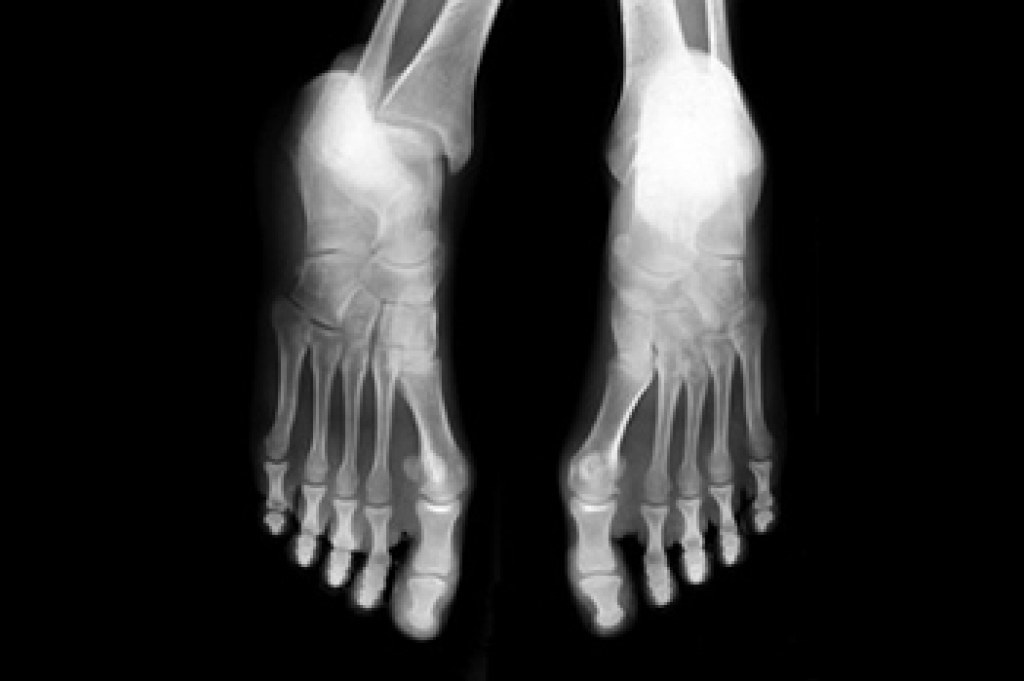
The human foot is a complex structure made up of bones, joints, muscles, and ligaments that work together to support movement and balance. It contains the tarsal bones in the rear and midfoot, the metatarsals in the arch and forefoot, and the phalanges that form the toes. These bones connect through joints that allow smooth motion while walking or running, as the alignment and function of these structures are essential for stability and shock absorption. When any part of the foot becomes strained or injured, pain and imbalance can occur. A podiatrist can evaluate the biomechanics of the foot, identify abnormalities, and provide treatments or custom orthotics for improved comfort. If you have persistent foot pain, it is suggested that you schedule a visit with a podiatrist who can treat various foot conditions.

If you have any concerns about your feet, contact Mindy J. Trotter, DPM, CWSP from Georgia. Our doctor can provide the care you need to keep you pain-free and on your feet.

Biomechanics in Podiatry

Podiatric biomechanics is a particular sector of specialty podiatry with licensed practitioners who are trained to diagnose and treat conditions affecting the foot, ankle and lower leg. Biomechanics deals with the forces that act against the body, causing an interference with the biological structures. It focuses on the movement of the ankle, the foot and the forces that interact with them.

A History of Biomechanics

  • Biomechanics dates back to the BC era in Egypt where evidence of professional foot care has been recorded.
  • In 1974, biomechanics gained a higher profile from the studies of Merton Root, who claimed that by changing or controlling the forces between the ankle and the foot, corrections or conditions could be implemented to gain strength and coordination in the area.

Modern technological improvements are based on past theories and therapeutic processes that provide a better understanding of podiatric concepts for biomechanics. Computers can provide accurate information about the forces and patterns of the feet and lower legs.

Understanding biomechanics of the feet can help improve and eliminate pain, stopping further stress to the foot.

If you have any questions please feel free to contact our office located in Peachtree City, GA . We offer the newest diagnostic and treatment technologies for all your foot and ankle needs.

Read more about The Importance of Biomechanics in Podiatry

Hammertoe Surgery and How It Restores Comfort

Hammertoe surgery is performed to correct a deformity where a toe bends abnormally at one or more joints, often causing pain, irritation, and difficulty wearing shoes. Surgery becomes necessary when conservative treatments no longer relieve discomfort. There are two main types of procedures, internal fixation and decompression techniques. Internal fixation involves straightening the toe and stabilizing it with small implants. Decompression surgery releases tight tendons or removes a small piece of bone to restore alignment. A podiatrist evaluates the severity of the deformity and recommends the most suitable option for lasting relief. If you have this condition that is interfering with your daily activities, it is suggested that you consult a podiatrist who can discuss the benefits of hammertoe surgery and discuss whether it is right for you.

Foot surgery is sometimes necessary to treat a foot ailment. To learn more, contact Mindy J. Trotter, DPM, CWSP of Georgia. Our doctor will assist you with all of your foot and ankle needs.

When Is Surgery Necessary?

Foot and ankle surgery is generally reserved for cases in which less invasive, conservative procedures have failed to alleviate the problem. Some of the cases in which surgery may be necessary include:

  • Removing foot deformities like bunions and bone spurs
  • Severe arthritis that has caused bone issues
  • Cosmetic reconstruction

What Types of Surgery Are There?

The type of surgery you receive will depend on the nature of the problem you have. Some of the possible surgeries include:

  • Bunionectomy for painful bunions
  • Surgical fusion for realignment of bones
  • Neuropathy decompression surgery to treat nerve damage

Benefits of Surgery

Although surgery is usually a last resort, it can provide more complete pain relief compared to non-surgical methods and may allow you to finally resume full activity.

Surgical techniques have also become increasingly sophisticated. Techniques like endoscopic surgery allow for smaller incisions and faster recovery times.

If you have any questions, please feel free to contact our office located in Peachtree City, GA . We offer the newest diagnostic and treatment technologies for all your foot care needs.
Read more about Foot Surgery

Facts About Achilles Tendinitis

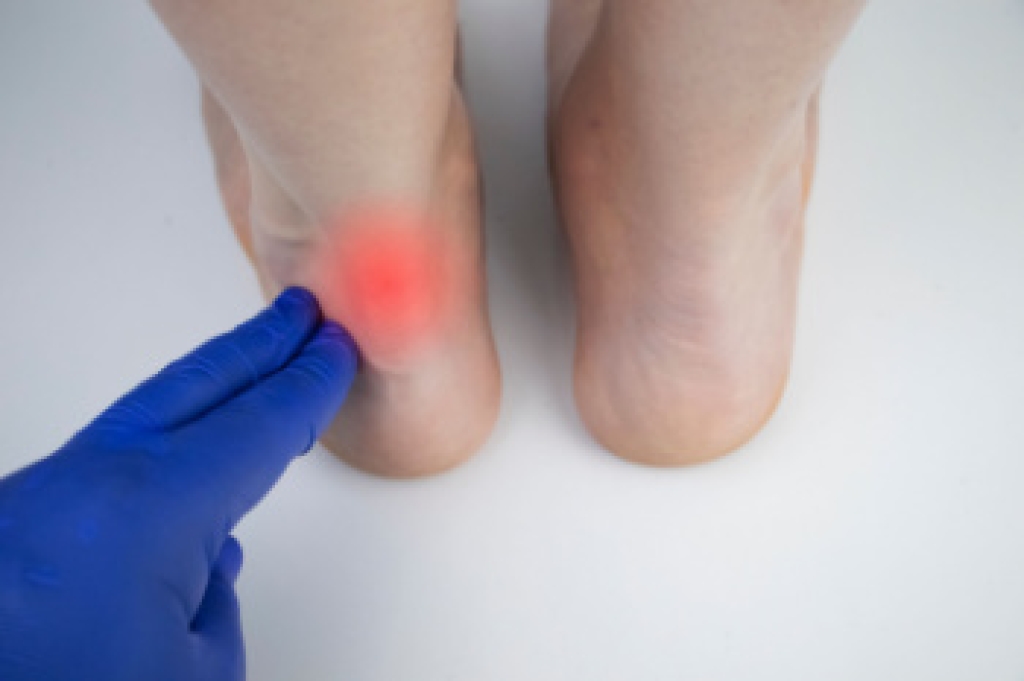
Achilles tendinitis is the inflammation of the Achilles tendon, which connects the calf muscles to the heel bone. It often develops from overuse, wearing poor footwear, tight calf muscles, or a sudden increase in physical activity. Runners are especially prone to this condition due to repetitive stress on the tendon. Symptoms include stiffness, tenderness, and pain along the back of the heel or lower calf, especially during activity or after rest. A podiatrist can provide a thorough evaluation, recommend custom orthotics, design stretching and strengthening programs, and offer advanced treatments to promote healing and prevent recurrence. If you have pain in your heel or lower calf, it is suggested that you consult a podiatrist who can provide expert care and lasting relief from Achilles pain.

Achilles tendon injuries need immediate attention to avoid future complications. If you have any concerns, contact Mindy J. Trotter, DPM, CWSP of Georgia. Our doctor can provide the care you need to keep you pain-free and on your feet.

What Is the Achilles Tendon?

The Achilles tendon is a tendon that connects the lower leg muscles and calf to the heel of the foot. It is the strongest tendon in the human body and is essential for making movement possible. Because this tendon is such an integral part of the body, any injuries to it can create immense difficulties and should immediately be presented to a doctor.

What Are the Symptoms of an Achilles Tendon Injury?

There are various types of injuries that can affect the Achilles tendon. The two most common injuries are Achilles tendinitis and ruptures of the tendon.

Achilles Tendinitis Symptoms

  • Inflammation
  • Dull to severe pain
  • Increased blood flow to the tendon
  • Thickening of the tendon

Rupture Symptoms

  • Extreme pain and swelling in the foot
  • Total immobility

Treatment and Prevention

Achilles tendon injuries are diagnosed by a thorough physical evaluation, which can include an MRI. Treatment involves rest, physical therapy, and in some cases, surgery. However, various preventative measures can be taken to avoid these injuries, such as:

  • Thorough stretching of the tendon before and after exercise
  • Strengthening exercises like calf raises, squats, leg curls, leg extensions, leg raises, lunges, and leg presses

If you have any questions please feel free to contact our office located in Peachtree City, GA . We offer the newest diagnostic tools and technology to treat your foot and ankle needs.

Read more about What are Achilles Tendon Injuries
scroll to top