
Treating Recurring Foot Corns

Corns on the feet are small areas of hard, thickened skin that develop in response to repeated pressure or rubbing. They are different from calluses, which usually cover a larger area of rough, thick skin. Corns frequently form on the toes or other parts of the foot exposed to concentrated pressure. They can feel tender or painful, especially when shoes press against them. Some corns remain painless, but discomfort can increase when the hardened area continues to receive pressure. Pain from a corn can eventually interfere with walking and normal daily activities.

Shoes that are too tight, too loose, or the wrong size can contribute to corn formation. High heels can also increase pressure on certain areas of the foot. Foot structure can play a role because bone problems may create areas that rub against shoes. As people age, the natural fat padding on the bottom of the feet can decrease. This can leave some areas exposed to greater pressure. Corns that bleed or produce pus or discharge require attention. Severe pain that limits normal activities is another reason to have the foot evaluated.

A podiatrist can examine the hardened skin to confirm that it is a corn and identify the pressure causing it. Treatment can include carefully removing thickened skin and using specialized pads to reduce pressure on the painful area. A podiatrist can also provide custom insoles when foot mechanics contribute to repeated friction. Patients with diabetes or circulation problems should have corns evaluated because foot problems can become more serious. Addressing shoe fit and pressure points can also help reduce the chance that corns will return. If you have symptoms of corns on the feet, it is suggested that you schedule an appointment with a podiatrist for diagnosis and treatment.

If you have any concerns regarding your feet and ankles, contact Mindy J. Trotter, DPM, CWSP of Georgia. Our doctor will treat your foot and ankle needs.

Corns: What Are They? and How Do You Get Rid of Them?
Corns can be described as areas of the skin that have thickened to the point of becoming painful or irritating. They are often layers and layers of the skin that have become dry and rough, and are normally smaller than calluses.

Ways to Prevent Corns
There are many ways to get rid of painful corns such as wearing:

  • Well-fitting socks
  • Comfortable shoes that are not tight around your foot
  • Shoes that offer support

Treating Corns
Treatment of corns involves removing the dead skin that has built up in the specific area of the foot. Consult with Our doctor to determine the best treatment option for your case of corns.

If you have any questions, please feel free to contact our office located in Peachtree City, GA . We offer the newest diagnostic and treatment technologies for all your foot care needs.

Read more about Corns and Calluses

Gout Pain Can Be Managed

Gout is a painful, inflammatory form of arthritis. Those affected will typically feel an intense stiffness in the joints of their feet, particularly in the big toe. Schedule a visit to learn about how gout can be managed and treated.

Causes of a Broken Heel

A broken heel, also called a calcaneus fracture, occurs when the heel bone cracks or breaks. This injury can cause significant pain and make standing or walking difficult. A broken heel may happen when a strong force travels through the foot and damages the bone. Common causes include falling from a height, being involved in a car crash, or sustaining a sports injury. The severity can range from a small crack to a complicated fracture where the bone is split into several pieces. 

Symptoms often appear immediately after an injury. Severe heel pain is common, especially when placing weight on the foot. Swelling and bruising may develop around the heel and ankle. The foot can also feel tender, stiff, or difficult to move. Some fractures cause changes in the shape of the heel. Risk factors include activities that involve jumping or high-impact movement. However, anyone can experience a heel fracture when exposed to significant trauma.


A podiatrist will examine the foot and ask how the injury occurred. X-rays are commonly used to identify a fracture, while additional imaging may be needed to understand the severity. Treatment depends on the fracture location and whether the bone has shifted. A stable fracture may be treated with immobilization, elevation, and restricted weight-bearing. More complex fractures may require surgery to realign and secure the bone. Surgical treatment can involve plates, screws, or other fixation methods. Follow-up visits help monitor healing and recovery.


Healing from a broken heel takes time, and following the treatment plan is important for protecting the injured bone. Your podiatrist may gradually adjust weight-bearing restrictions as healing progresses. Wearing proper footwear and supportive care can also help during recovery. Because heel fractures can affect how the foot functions, a podiatric evaluation should not be delayed after a serious injury. If you have broken your heel, it is strongly suggested that you promptly consult a podiatrist for effective relief and treatment solutions.

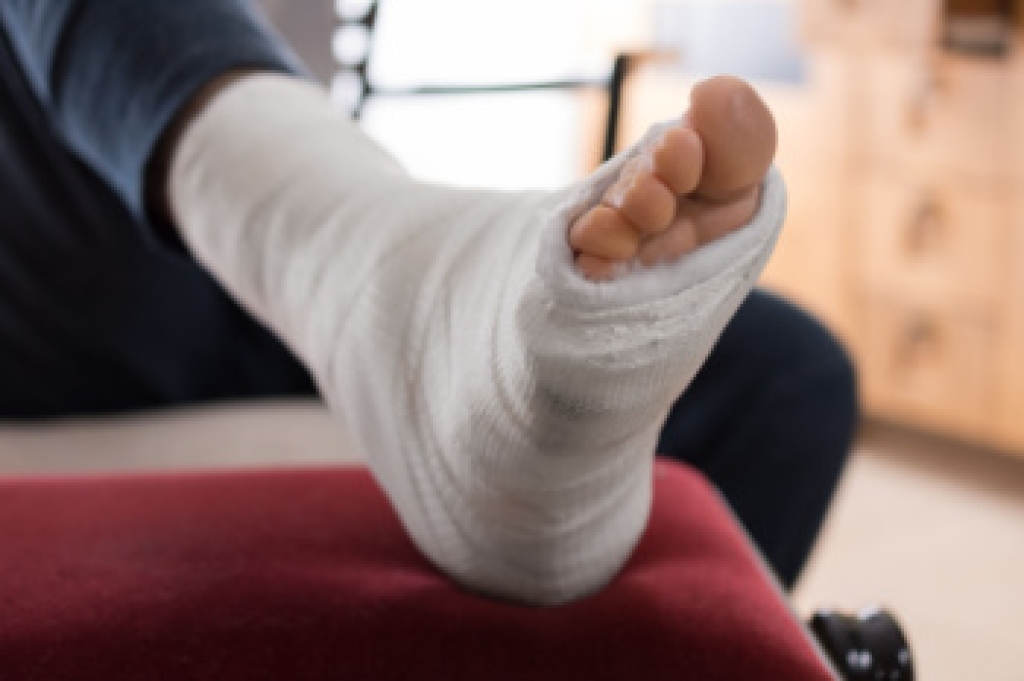
A broken foot requires immediate medical attention and treatment. If you need your feet checked, contact Mindy J. Trotter, DPM, CWSP from Georgia. Our doctor can provide the care you need to keep you pain-free and on your feet.

Broken Foot Causes, Symptoms, and Treatment

A broken foot is caused by one of the bones in the foot typically breaking when bended, crushed, or stretched beyond its natural capabilities. Usually the location of the fracture indicates how the break occurred, whether it was through an object, fall, or any other type of injury. 

Common Symptoms of Broken Feet:

  • Bruising
  • Pain
  • Redness
  • Swelling
  • Blue in color
  • Numbness
  • Cold
  • Misshapen
  • Cuts
  • Deformities

Those that suspect they have a broken foot shoot seek urgent medical attention where a medical professional could diagnose the severity.

Treatment for broken bones varies depending on the cause, severity and location. Some will require the use of splints, casts or crutches while others could even involve surgery to repair the broken bones. Personal care includes the use of ice and keeping the foot stabilized and elevated.

If you have any questions, please feel free to contact our office located in Peachtree City, GA . We offer the newest diagnostic and treatment technologies for all your foot care needs.
Read more about Causes, Symptoms, and Treatment for a Broken Foot

Diabetic Foot Blisters and What They Look Like

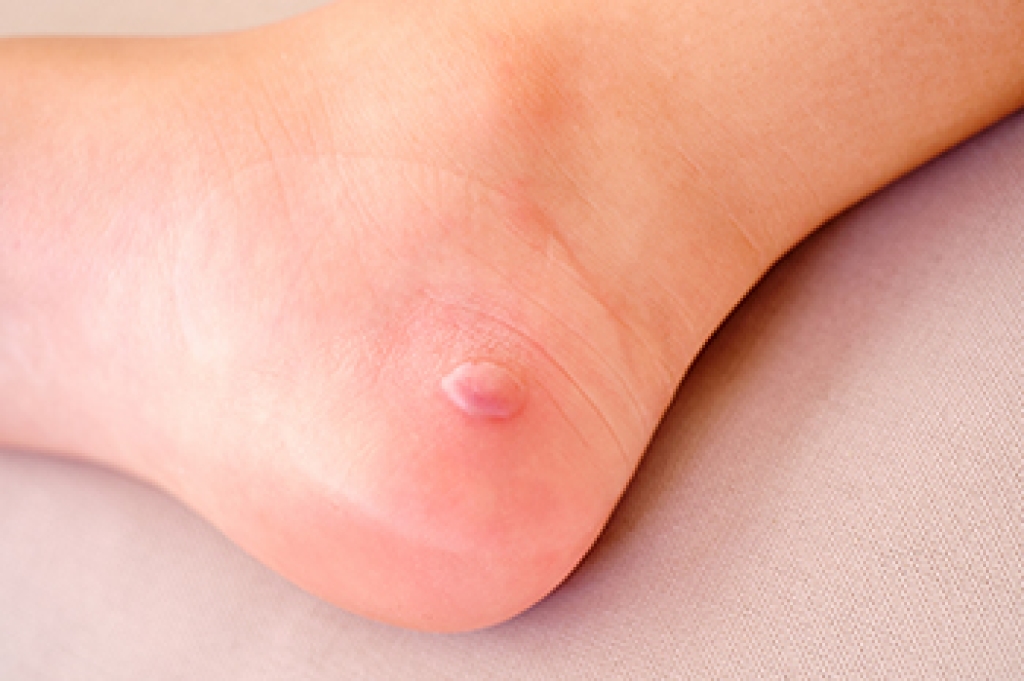
Diabetic foot blisters are fluid-filled areas that develop when skin is damaged by friction, pressure, or irritation. Diabetes can make these injuries more concerning because nerve damage may reduce sensation. A diabetic patient may not notice rubbing until the skin becomes damaged. A blister often looks like a raised bubble containing clear fluid. The surrounding skin may appear red or irritated. A small blister deserves attention because broken skin can become vulnerable to infection.

Symptoms may include a raised bubble, tenderness, or warmth. An open blister can cause drainage and leave raw skin underneath. Common risk factors include diabetic neuropathy, reduced circulation, and repeated pressure. Long periods of walking can increase friction. Previous diabetic foot wounds may also increase concern. Checking your feet every day can help you notice blisters before they become larger or more difficult to heal.


A podiatrist will examine the blister and check circulation, sensation, and possible pressure points. An intact blister may be protected with a suitable dressing while pressure is reduced. If the blister has opened, the podiatrist may carefully clean the area, remove unhealthy tissue when appropriate, and apply wound protection. Footwear may be adjusted to reduce friction. Follow-up visits can help confirm healing and identify the cause of repeated skin irritation.


Do not pop or cut a diabetic foot blister yourself. Damaged skin can create an opening for bacteria and increase infection risk. Keep the area clean and protected while arranging professional evaluation. Watch for worsening redness, warmth, or delayed healing. These changes require prompt medical attention. Good diabetic foot care includes daily inspection and properly fitted shoes. If you have diabetes and have developed a foot blister, it is suggested that you are under the care of a podiatrist who can help you to manage this serious condition. 

Blisters are prone to making everyday activities extremely uncomfortable. If your feet are hurting, contact Mindy J. Trotter, DPM, CWSP of Georgia. Our doctor can provide the care you need to keep you pain-free and on your feet.

Foot Blisters

Foot blisters develop as a result of constantly wearing tight or ill-fitting footwear. This happens due to the constant rubbing from the shoe, which can often lead to pain.

What Are Foot Blisters?

A foot blister is a small fluid-filled pocket that forms on the upper-most layer of the skin. Blisters are filled with clear fluid and can lead to blood drainage or pus if the area becomes infected.

How Do Blisters Form?

Blisters on the feet are often the result of constant friction of skin and material, usually by shoe rubbing. Walking in sandals, boots, or shoes that don’t fit properly for long periods of time can result in a blister. Having consistent foot moisture and humidity can easily lead to blister formation.

Prevention & Treatment

It is important to properly care for the affected area in order to prevent infection and ease the pain. Do not lance the blister and use a Band-Aid to provide pain relief. Also, be sure to keep your feet dry and wear proper fitting shoes. If you see blood or pus in a blister, seek assistance from a podiatrist.

If you have any questions, please feel free to contact our office located in Peachtree City, GA . We offer the newest diagnostic and treatment technologies for all your foot care needs.

Read more about Blisters
scroll to top